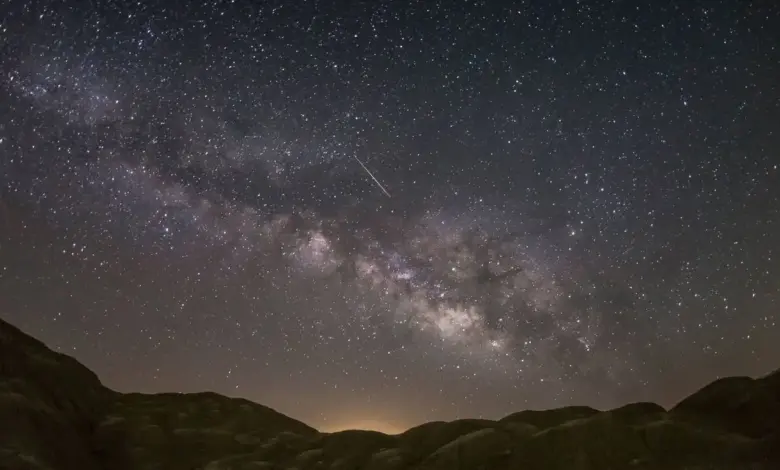
The lyrid meteor shower is set to light up the sky from 16 April, giving skywatchers an early spring display that is being described as the oldest recorded shower. It is expected to peak on 22 April, with the best views likely to come in the dark hours before dawn. The display is linked to Earth passing through dust left behind by Comet Thatcher centuries ago.
When the Lyrid meteor shower peaks
The lyrid meteor shower is forecast to deliver around 10 to 15 meteors an hour, though surges can occasionally lift that number to as many as 100 an hour. It is named for the constellation Lyra, the point in the sky where the meteors appear to originate, and it has been recorded since 687 BCE by Chinese astronomers. The shower is annual, even though Comet Thatcher itself will not be visible again until 2283.
For viewers in the Northern Hemisphere, the timing matters. The clearest opportunity is after moonset and before dawn, when the radiant is higher in the sky. That window gives observers the strongest chance of catching the brighter meteors and the occasional fireball.
How to watch the Lyrid meteor shower
Clear, dark skies make the biggest difference, and the meteor shower can be seen with the naked eye. There is no need for a telescope. Turning off outdoor lights and giving your eyes 20 to 30 minutes to adjust can help improve what you see.
The shower is known for its colours and brightness, including especially bright fireballs that can outshine Venus. These appear when very small dust particles and larger pieces of debris burn up in the atmosphere, creating flashes and visible trails.
What conditions may help this week
Weather and moonlight will decide how much of the show is visible. Northern Scotland looks likely to have the clearest skies on Thursday night, while thicker cloud is expected to spread up from the south-west with some rain at times elsewhere. For 2026, the moon is a waxing crescent that sets after midnight, which should interfere less with the best pre-dawn viewing period.
That gives skywatchers a narrow but promising window to catch the lyrid meteor shower at its best. If the forecast holds and the sky stays dark, this week could offer one of the year’s most watchable celestial displays.