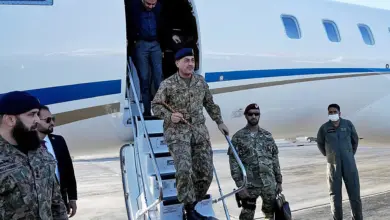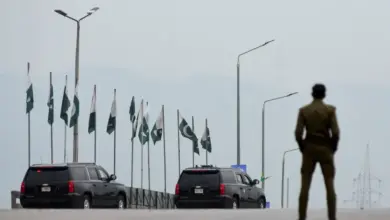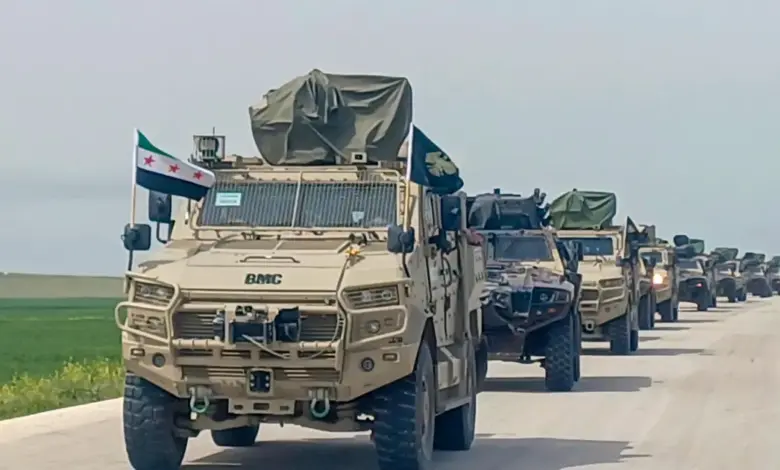
syria has reached a turning point as the final convoy of US soldiers and equipment left Qasrak air base in Hasakah, completing a handover that closes a major chapter in the country’s north and northeast. The transfer is more than a military logistics story: it signals a wider shift in control, integration, and authority inside Syria.
What Happens When a Military Presence Ends?
The handover means Syria now has full control of the military sites where US forces had previously been deployed. The departure ends a presence that began in 2014, when US forces entered the fight against ISIS alongside Kurdish fighters who later became the Syrian Democratic Forces. Syrian officials described the move as part of the absorption of Kurdish-led fighters into national structures and as evidence that the state is consolidating authority across areas that had operated outside Damascus’ control.
The transfer also comes after Syrian President Ahmed al-Sharaa met Mazloum Abdi and Ilham Ahmad in Damascus, with Foreign Minister Asaad Hassan al-Shaibani and a presidential envoy overseeing the integration process also present. That sequence matters because it shows the handover is linked to a broader political arrangement, not only a troop movement.
What If the Current Agreement Holds?
The current state of play is shaped by a deal struck in January between Damascus and the SDF, followed by a new agreement in March after brief fighting and the loss of much of the territory the group had controlled. Under that arrangement, Kurdish fighters are being brought into the Syrian national army, security forces have deployed to the city centres of Hasakah and Qamishli, and border crossings and civilian institutions have transferred to Damascus.
The ministry in Damascus welcomed the completed handover and framed it as part of an effort to bring the country under a single state authority, including the northeast and border areas. US Central Command said its forces had completed turning over major bases in Syria as part of a deliberate and conditions-based transition. That phrasing suggests a managed exit rather than a sudden retreat, and it points to a process that has been shaped by security, politics, and battlefield realities.
| Scenario | What it would mean |
|---|---|
| Best case | The integration process continues, state authority expands, and former lines of control settle into a stable arrangement. |
| Most likely | Damascus keeps absorbing institutions and personnel gradually, while local tensions remain contained but unresolved. |
| Most challenging | Implementation stalls, distrust rises, and security gaps reopen around detention, border, or command structures. |
What If Security Gaps Reappear?
Forces of change are pulling in different directions. On one side is the political deal-making that has allowed the handover to move forward. On the other is the lingering uncertainty around security, especially after the conflict in the northeast and concerns about ISIS prisoners. The handover also reflects a wider change in how Syria is positioned internationally, with the government emphasizing cooperation and the US adjusting its footprint after years of shifting objectives.
The departure route itself was notable: analyst Charles Lister said the final soldiers and equipment were routed overland through Jordan rather than Iraq to reduce exposure to potential attacks by Iranian-backed armed groups operating in the region. That detail underscores how sensitive the withdrawal remained even at the end.
Who Gains and Who Faces Pressure?
Winners include the Syrian government, which can now claim fuller territorial and institutional control, and the commanders involved in the integration process, who have a path into a national framework. The state also gains political leverage by presenting itself as able to lead counterterrorism efforts from within, in cooperation with the international community.
Those under pressure include the Syrian Democratic Forces, which must now navigate a transition from autonomous control to incorporation, and local communities in the northeast, where the pace and credibility of implementation will matter. For the US, the exit reduces exposure but also ends a decade-long ground role in a conflict that had once been central to its regional posture. For ISIS containment, the key question is whether the new setup can hold without creating gaps that armed groups could exploit.
What readers should take from this moment is that the story is not only about departure; it is about replacement. Power is being reassembled inside Syria, but the durability of that arrangement will depend on whether integration, security, and authority can move together. For now, syria stands at an inflection point where a military withdrawal has become a political test, and the next phase will be measured by what Damascus can hold, absorb, and stabilize. Syria