Victorian Civil And Administrative Tribunal ruling puts 550,000-tonne waste plan under pressure

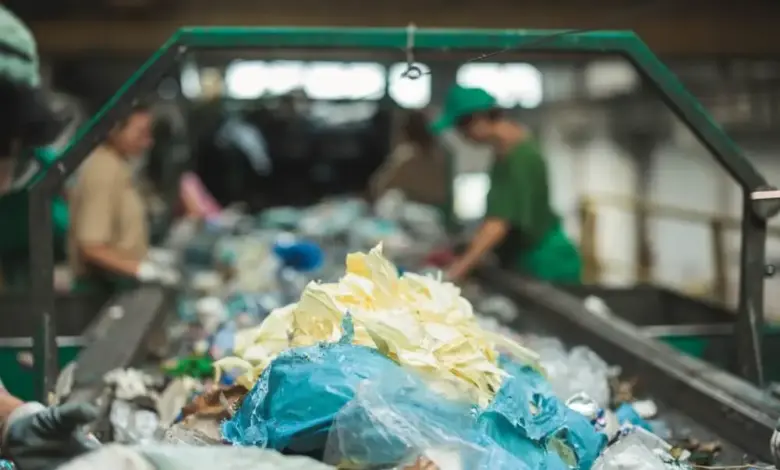
The Victorian Civil and Administrative Tribunal has become the decisive arena in a fight over a proposed waste-transfer station in Hampton Park, and the dispute now carries consequences far beyond one site. The case has exposed how tightly local waste planning, resident health concerns and multi-council agreements are now intertwined. With the facility designed to handle up to 550, 000 tonnes a year from nine councils, the ruling has forced project backers to confront a harder question: how much risk can a regional waste solution absorb before the plan itself starts to wobble?
Why the Victorian Civil and Administrative Tribunal ruling matters now
On 10 April, the Victorian Civil and Administrative Tribunal upheld the Environment Protection Authority Victoria’s refusal of a development licence for the proposed waste-transfer station. The decision centred on odour and human health impacts for nearby residents living between 170 and 250 metres away, well inside the 500-metre separation guideline for putrescible waste.
That distance gap is more than a technical detail. It goes to the heart of whether the project can be viewed as a workable part of the South Eastern Metropolitan Advanced Waste Processing partnership, or whether the location itself makes the scheme too exposed to challenge. The tribunal’s finding that future odour impacts posed an unacceptable risk gives the refusal its weight and explains why the issue has quickly moved from planning debate to strategic uncertainty.
Casey’s waste strategy faces a sharper test
The proposed facility was meant to sit beside the Hallam Road landfill at Hampton Park, the South East’s last remaining landfill, which is expected to close in the next year or so. The site already carries a history of putrid-odour complaints and enforcement action from the EPA, so the proposal was always going to face scrutiny. In that context, the tribunal’s ruling does not simply delay a project; it weakens a wider waste pathway designed to serve nine councils, including Casey, Cardinia and Greater Dandenong.
Casey mayor Stefan Koomen said councils must work together for a “reliable waste solution” and said the council would wait to see whether the proponent, Veolia, lodges a Supreme Court appeal within 28 days before considering next steps. That leaves the regional consortium in a holding pattern at a time when it had hoped the waste-transfer station would help bridge the gap left by the landfill’s closure.
The planning stakes are high because the project was framed as a necessary response to a looming disposal problem. If the station cannot proceed at Hampton Park, the region must find another way to move and process waste without losing momentum on the broader waste-to-energy plan in Maryvale. In practical terms, the tribunal has turned a planning approval issue into a test of whether the whole network can still function as intended.
Community pressure, council process and the narrow legal path ahead
Local residents had been vocal throughout the process, and their concerns now appear embedded in the tribunal’s reasoning. Casey Residents and Ratepayers’ Association criticised the council’s earlier approval of the planning permit, arguing there was a lack of meaningful community consultation. That criticism gained traction because the approval was granted by Casey’s administrators weeks before the late-2024 councillor elections.
At the same time, Casey’s planning and building manager Tania Asper said council officers followed due process when they assessed the application. She added that the tribunal confirmed the planning permit and review process by council was not called into question, and noted that the EPA had consented to the issuing of a planning permit, subject to conditions being met. Those points matter because they show the dispute is not simply about whether the council acted properly, but about whether the site can safely host the scale of operation proposed.
Regional fallout and the next move for Veolia
The wider impact of the Victorian Civil and Administrative Tribunal decision is straightforward: it increases uncertainty around a project that was meant to stabilise waste handling for multiple councils. If Veolia appeals, the dispute may shift into another legal phase. If it does not, the consortium will have to revisit its planning assumptions and search for a credible alternative at a time when the landfill’s closure is approaching.
That raises a broader policy problem. Regional waste systems depend on public confidence, clear approvals and sites that can meet health and odour thresholds. When any one of those elements breaks down, the cost is not limited to one project. It can slow infrastructure, strain council partnerships and leave residents asking whether future waste capacity is being planned fast enough. The Victorian Civil and Administrative Tribunal has now made that tension unmistakable, and the question is whether the region can still deliver a reliable solution without returning to the drawing board.