Blue Bloods and the Empty Chair: Tom Selleck’s Quiet Distance, Donnie Wahlberg’s Open Door

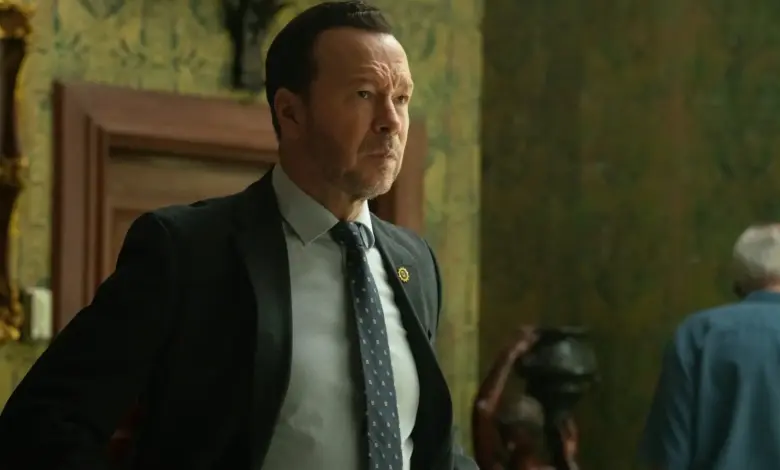
When blue bloods ended with its December 2024 finale, the silence it left behind was not just about a canceled police drama. It was about a cast that had spent years building a working rhythm, a family feel, and an audience that kept showing up. Now, with Boston Blue carrying that legacy forward, Donnie Wahlberg says Tom Selleck has been supportive — even if he has not said yes to returning.
The new series began just two months after the original run ended, and Wahlberg has framed the transition as both personal and professional. The question hanging over it is simple: can the next chapter honor what came before without forcing it?
What has Tom Selleck said about Blue Bloods and Boston Blue?
Wahlberg says he spoke with Selleck before deciding whether to join the new series, and he described those conversations as supportive, while not getting into details. That support, however, has not turned into a commitment to appear in Boston Blue, even for a single episode.
Selleck has been clear about his hesitation. He said he did not know whether he would do Boston Blue, adding that it is “another show. ” He also said he believes part of his role is to make sure Blue Bloods has its place in television history, but that it is not his role to keep playing Frank Reagan. For fans, that leaves the door open but not yet unlocked.
Why does the Blue Bloods legacy still matter?
The emotional weight around blue bloods is tied to more than a franchise name. Selleck said the cancellation was “a huge disappointment, ” and he pointed out that the series remained one of network television’s most-watched shows at the time. He also described the set as unusually positive, saying the cast was professional and liked each other, which he called rare.
That sense of loss came through in Wahlberg’s comments too. He said the show was “our job” and “our life, ” and that the people around it had become part of his personal world. He added that when viewers said they were upset, the cast felt it too, because “our hearts were broken, too. ”
Those remarks turn blue bloods into more than a title. They show a workplace that became a community, and a finale that ended not only a series, but a routine built over years.
How is Boston Blue trying to move forward without erasing the past?
Wahlberg has said he would love for Selleck to come to Boston, or for Danny Reagan to return to New York and visit Frank Reagan. He stressed that Selleck will base any decision on the work and the material, and he said the team wants to craft an idea that could move Selleck enough to make him want to do it.
Wahlberg also said the production is looking for ways to bring in other Reagan family members. That suggests a strategy built around continuity rather than replacement. The goal appears to be to honor the original series’ Friday night place in the schedule while letting the new show find its own footing.
Even so, the uncertainty remains part of the story. Selleck has not committed, and Wahlberg’s comments show a careful balance between hope and realism. In television terms, that is often where the most durable legacy work begins.
What does this mean for fans of blue bloods?
For viewers, the situation is less about whether a familiar face will appear and more about whether the emotional tone of the original can survive in a new setting. The support Wahlberg describes matters, but so does Selleck’s reluctance. Both are true at once.
That tension is what makes the next stage of blue bloods feel unfinished. A supportive call, a door left open, and a role still unclaimed are enough to keep the conversation alive. In the end, the empty space where Frank Reagan might return may matter as much as the return itself.