The jalisco new generation cartel is back in the legal spotlight after Erick Valencia Salazar, one of its co-founders, changed his plea and admitted a federal narcotics conspiracy charge in Washington, D. C. The plea is not just about one man. It pulls back the curtain on how a cartel described by the U. S. Department of Justice as one of Mexico’s most powerful criminal organizations was built, how it operated, and why authorities in both countries still treat it as a major threat.
What did Erick Valencia Salazar admit in court?
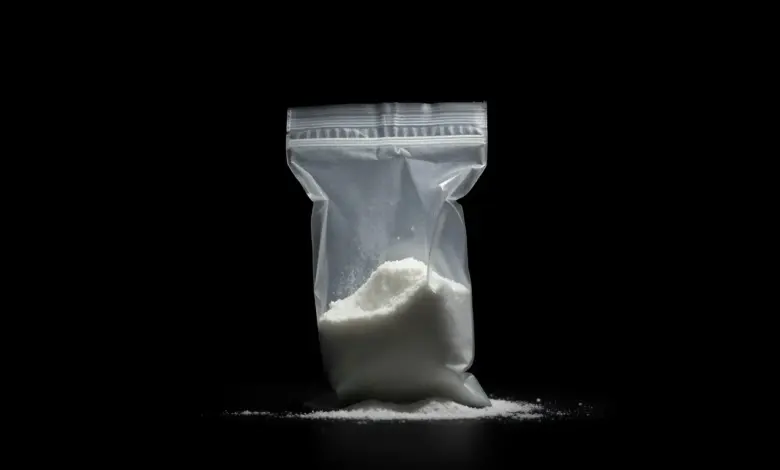
Verified fact: Valencia Salazar pleaded guilty to one count of conspiring to distribute 5 kilograms or more of cocaine for importation into the United States. He now faces a mandatory minimum sentence of 10 years in prison, with sentencing scheduled for July 31, 2026. Chief Judge James Boasberg will decide whether the sentence stays at the floor or moves higher within the maximum life term available under the charge.
Verified fact: The U. S. Department of Justice identified Valencia Salazar as a co-founder of the Jalisco New Generation Cartel, also known as CJNG, with Nemesio Oseguera Cervantes, known as “El Mencho. ” The Drug Enforcement Administration said Valencia Salazar helped build the group into a “ruthless organisation” that used violence as a business model. That description matters because it frames the plea as evidence of a structure, not an isolated criminal act. The jalisco new generation cartel did not emerge as a loose network; prosecutors say it developed around recruitment, intelligence-gathering, and territorial control.
How did the cartel’s reach become part of the case?
Verified fact: Prosecutors said Valencia Salazar, who was also known as “El 85, ” had a role in recruiting members and obtaining information about rival cartels. The Justice Department said he used information about enemies to help locate and kill targets and to gain control of drug trafficking in specific territories in Mexico. Those claims place the case at the intersection of narcotics trafficking and organized violence, not simply drug movement across a border.
Verified fact: The record described in court papers shows a long chain of enforcement actions. Valencia Salazar was first detained by the military in 2012 in Zapopan, near Guadalajara. He was later released by order of a judge who cited alleged procedural flaws. In 2022, the Mexican army recaptured him in Tapalpa. In February 2025, he was among 29 alleged drug lords extradited to the United States. In the case as presented, those steps show that the legal pressure on him stretched across years and across jurisdictions before the guilty plea arrived.
Why do U. S. authorities treat this case as strategic?
Verified fact: The U. S. government has already designated the Jalisco New Generation Cartel as a foreign terrorist organization. That designation places the case within a broader policy shift: officials now describe cartel violence as a threat not only to public safety but to regional stability. A. Tysen Duva, the assistant attorney general in charge of the Justice Department’s criminal division, said the cartel has inflicted “immeasurable damage” on the United States and that Valencia Salazar helped deepen violence in Mexico at the expense of communities.
Analysis: The significance of the plea is that it connects the courtroom to the organization’s leadership history. Valencia Salazar is not described as a peripheral figure. He is presented as a founder, a recruiter, and an operational actor. That makes the plea valuable to prosecutors beyond the single count: it supports the argument that the jalisco new generation cartel functioned through disciplined leadership and deliberate violence. It also underscores why authorities view the organization as durable even after arrests, extraditions, and deaths of high-profile figures.
Who benefits, and what remains unresolved?
Verified fact: The Justice Department and the Drug Enforcement Administration have both portrayed the plea as confirmation of the scale of CJNG’s cross-border harm. U. S. officials have also tied the case to the broader campaign against cartels that the Trump administration said threaten the safety of Americans, the security of the United States, and the stability of the international order in the Western Hemisphere. The Mexican side has treated the death of “El Mencho” as proof that security forces can reach the cartel’s top ranks.
Analysis: Still unresolved is the deeper question raised by the case: if a co-founder can be extradited, plead guilty, and face sentencing, why does the organization remain one of the most powerful criminal groups in Mexico? The facts in this case suggest that leadership losses do not automatically dismantle a cartel built on recruitment, territorial competition, and violence. The plea may strengthen prosecutions, but it also highlights the gap between individual accountability and organizational collapse.
The public record now shows a clearer picture of how the jalisco new generation cartel was formed, how it expanded, and how one of its founders ended up admitting guilt in a U. S. courtroom. What remains essential is transparency about the full chain of responsibility, the failures that allowed the group to grow, and the reforms needed to prevent another cartel from reproducing the same model of violence, trafficking, and cross-border harm tied to the jalisco new generation cartel.