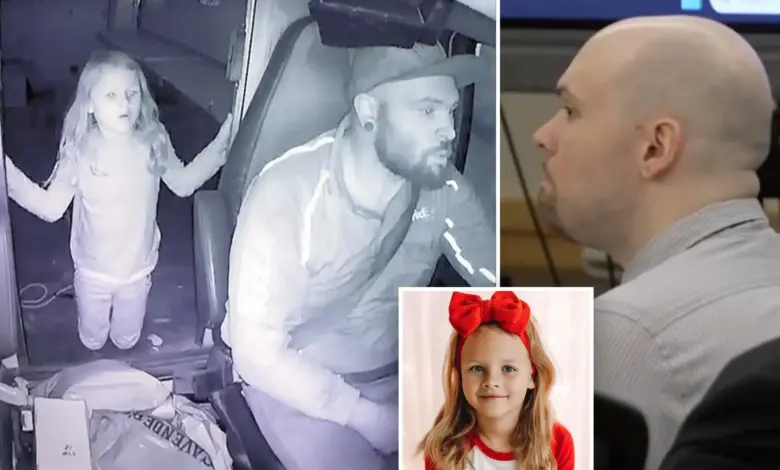
athena strand has moved from a trial expected to be emotionally explosive into a sentencing phase that now carries the weight of deciding punishment. Tanner Horner pleaded guilty in court on Tuesday, abruptly changing the case’s direction and placing jurors in the position of deciding whether the death penalty should be imposed. The shift matters because it removes the uncertainty of a contested guilt phase, but it does not reduce the intensity of what comes next.
What Happens When a Trial Turns Into Sentencing?
The case against Horner was already headed toward a capital murder trial in Tarrant County when the guilty plea changed everything. He entered guilty pleas to capital murder and aggravated kidnapping, ending the question of guilt and moving the proceeding directly to punishment. That means the jury is no longer asked to decide whether Horner committed the crimes; instead, jurors must weigh the evidence and determine whether he should receive death or life without parole.
That transition is significant in a case built around a child victim, a delivery driver, and allegations of violence that investigators say began with a package delivery in Wise County on Nov. 30, 2022. The legal structure is now simpler, but the emotional stakes are higher. Once a guilty plea is entered, the courtroom focus narrows sharply to responsibility, severity, and the final sentence.
What If the Evidence Shapes the Sentence?
The prosecution signaled that it intends to present graphic audio and video evidence, while also describing the events in stark terms to the jury. Prosecutors said the evidence would include material lasting about an hour and framed the case around the contrast between the role of a delivery driver and the harm alleged here. They also told jurors they would hear what they described as the power imbalance between a man and a 67-pound child.
Among the details presented in court were allegations that Horner accidentally struck Athena with his truck, then panicked, placed her in his van, and strangled her out of fear she would tell her father. Prosecutors said the child was alive when she was put into the truck and pointed to statements allegedly made to investigators and to the first words attributed to Horner: “Don’t scream or I’ll hurt you. ” The state also argued that Horner’s conduct was premeditated, citing his use of the same FedEx truck each day.
On the defense side, attorneys asked jurors to weigh Horner’s background and mental health history, including autism, a reported history of mental illness, substance abuse in the family, and exposure to high lead levels. They urged the jury to consider a life sentence without parole. In practical terms, this becomes a contest between two narratives: one focused on deliberate violence, the other on the defendant’s troubled development and diminished access to services.
What Is the Broader Pattern in This Case?
athena strand is now a case study in how a capital case can shift from criminal liability to punishment almost instantly when a guilty plea arrives at the start of trial. The legal momentum changed in minutes, but the factual record remains central. The body was found two days after the child was reported missing, and investigators said digital evidence helped track Horner down that same day. That sequence gives the prosecution a clean timeline, while the defense is left to argue mitigation rather than denial.
Below is a simple view of the competing pressure points now in play:
| Issue | Prosecution emphasis | Defense emphasis |
|---|---|---|
| Central question | Death penalty or life without parole | Life sentence without parole |
| Case framing | Premeditation and brutality | Mental health, autism, and limited support |
| Court impact | Graphic evidence and emotional testimony | Context for the defendant’s background |
That structure explains why the case has now become less about legal surprise and more about moral judgment. The jury must decide not only what happened, but how the justice system should respond when the defendant has already admitted guilt in open court.
What Happens for the People Closest to the Case?
The immediate winners in a procedural sense are the prosecutors, who no longer have to prove guilt before a jury. The defense loses the possibility of an acquittal, but it still has a path to influence sentencing. For Athena’s family, the plea may end one chapter of uncertainty while opening another centered on testimony, evidence, and the possibility of a death sentence.
The larger stake is public confidence in how capital cases are handled when the facts are disturbing and the victim is a child. Jurors will be asked to balance aggravating evidence with mitigation, and that balance will shape the final outcome. For readers, the key takeaway is straightforward: the guilty plea did not close the case, it intensified the question of punishment. What happens in sentencing will define how this case is remembered, and athena strand remains the name at the center of it.