On Easter Sunday, Donald Trump posted a message so explosive that it immediately forced a familiar question back into public view: could the 25th amendment be used to remove a president who appears unfit for office?
The post threatened Iran’s civilian infrastructure in profane language and landed with particular force because it arrived on a day many people associate with restraint, reflection, and peace. Instead, it deepened fears about how far the conflict could go, and how little room there may be inside the system to stop a president once he is in motion.
Why did the 25th Amendment return to the center of the debate?
For critics, the answer was not only the language but the tone: a president speaking as if civilian power plants and bridges were acceptable targets. Congresswoman Yassamin Ansari, who is of Iranian descent, called for invoking the 25th amendment and said Trump was unfit to serve. Senator Chris Murphy also urged Trump’s cabinet to consult constitutional lawyers about the 25th amendment, calling the message “completely, utterly unhinged. ”
The urgency came from what was described as a pattern, not a single outburst. Trump has spent more than two weeks threatening to “obliterate” Iran’s civilian infrastructure if Tehran does not open the Strait of Hormuz. That broader backdrop made the Easter message feel, to many of his critics, less like a moment of rhetoric and more like a warning about where the presidency itself is headed.
What does this moment say about the cost of political power?
The dispute is not only about war or language. It is also about the structure that keeps a president in place. Trump’s critics inside Congress are confronting a system that makes removal difficult, even when they believe a leader is dangerous. That tension runs through the current debate over the 25th amendment and raises a larger question about accountability when the office is occupied by someone opponents see as destabilizing.
Hakeem Jeffries, the top Democrat in the House of Representatives, called the message “disgusting and unhinged, ” adding that “something is really wrong with this guy. ” Senator Elissa Slotkin, a centrist Democrat and former CIA operative, said strikes on Iran’s civilian infrastructure would violate the Geneva Conventions and the Pentagon’s own Law of War Manual. Senator Bernie Sanders called on fellow lawmakers to stop the war after Trump’s threat.
Who is pushing back, and what is the response?
Beyond Congress, the criticism has also come from Pope Leo XIV, who has been more forthright and relentless than any other world leader in his criticism of the Iran war. On Easter Sunday, he called on those with weapons to lay them down and those with power to choose peace. He also said peace should be made through dialogue, not domination.
The pope’s intervention matters because it sharpens the contrast between two visions of authority: one that speaks in threats and force, and another that insists on restraint. In that sense, the 25th amendment debate is not only legal but moral. It asks whether institutions can respond when a president’s words appear to normalize civilian harm.
There is still no easy answer. The constitutional route remains difficult, and the people closest to the president would have to act. But the pressure is growing as Democrats, legal experts, and religious leaders describe the same basic concern in different language: that a president’s power can become too dangerous to ignore.
For now, the scene remains the same — a single post, a wave of alarm, and a system struggling to catch up. The question hanging over the White House is whether the 25th amendment is more than a constitutional option on paper, or whether it will remain one of those remedies everyone knows about but no one is willing to use until the damage is already done.
Image caption
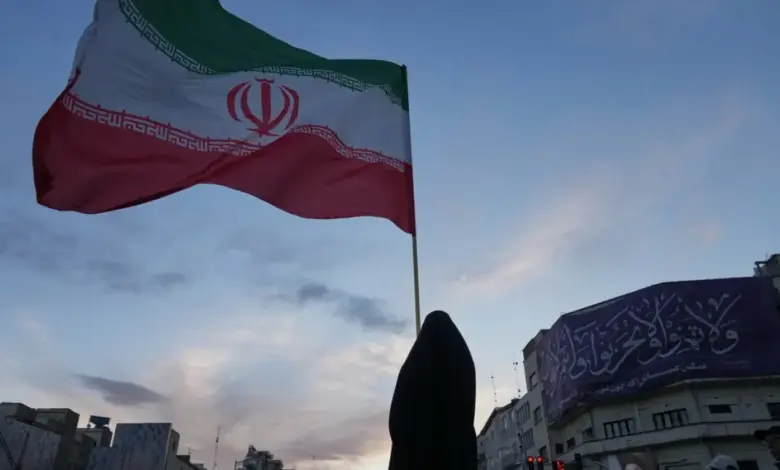
25th amendment debate intensifies as lawmakers and religious leaders react to Trump’s Easter Sunday threat toward Iran.