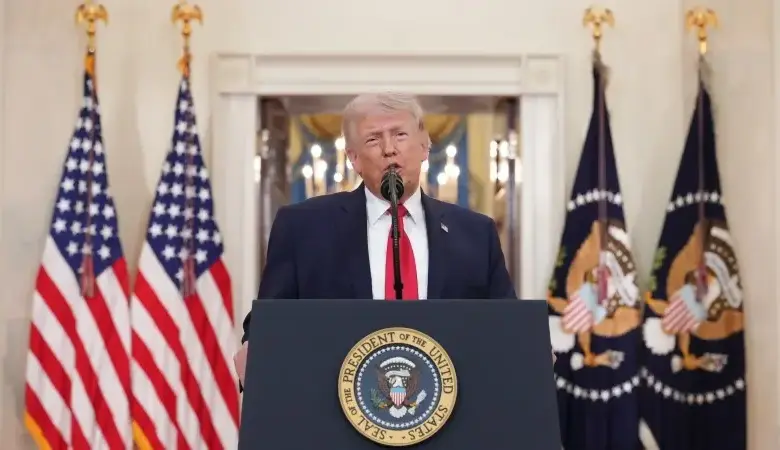
The dollar is still being pulled by a single question: whether the latest move toward de-escalation can survive the next headline. After a brief USD-bearish swing, the market reversed as President Donald Trump’s speeches pointed to more weeks of fighting, bringing back a risk-off tone and lifting demand for the dollar.
Verified fact: The shift is happening while oil prices remain well above $100 per barrel again, liquidity conditions are expected to be thinner around the Easter holidays, and traders are waiting for fresh US labor data that could shape Federal Reserve expectations. Informed analysis: That combination helps explain why the dollar has not yet given back ground in a sustained way, even after hopes for de-escalation briefly pushed it lower.
What changed in the Dollar story overnight?
The first leg of the de-escalation trade already happened in FX markets, but the second leg has not arrived. The reason is simple: the path toward a weaker dollar now depends on greater clarity over reopening plans for the Strait of Hormuz, and that clarity appears distant after the latest headlines.
President Trump said Iran has requested a ceasefire, but he tied that to reopening the Strait of Hormuz. That is a meaningful change in tone from recent days, when he had suggested he might distance the United States from decisions about the strait’s fate. The result was a renewed wave of escalation that pushed EUR/USD lower again and returned risk-off sentiment to the market.
Verified fact: The euro has slipped back to 1. 150 this morning, after reaching well above 1. 160 earlier, and the move is taking place alongside renewed conflict pressure. Informed analysis: In that setting, the dollar is benefiting less from domestic optimism than from the absence of a durable alternative narrative.
Why is US data suddenly more important for the Dollar?
Tomorrow’s non-farm payrolls could have a meaningful effect on trading even if they do not fully capture the war’s labor-market impact yet. The focus is on whether the shock is beginning to change the state of the labor market enough to influence the Federal Reserve’s view.
The latest private payroll figure was stronger than expected at 62, 000, while the ISM manufacturing employment index was almost unchanged at 48. 7 in March. The consensus for non-farm payrolls is 65, 000, the macro team’s call is 60, 000, and the whisper number is 40, 000. Unemployment is expected to remain at 4. 4%, and any material jump could have an outsized impact.
That is why the dollar is not trading only on geopolitics. The market is also listening for whether tomorrow’s data could add pressure for more Fed repricing. Monday’s dovish-leaning comments by Chair Jerome Powell are still resonating, and any downside surprise in US data could reinforce that reaction.
Who benefits if the current Dollar strength lasts?
The immediate beneficiary is the side of the market that prefers safety over carry. A stronger dollar is consistent with a risk-off environment, especially when conflict risk rises and oil remains elevated. That is also why the latest escalation has reversed most of the two-day recovery seen before the renewed tension.
At the same time, the dollar’s resilience can be read as a market verdict on uncertainty rather than confidence. The de-escalation trade in FX has not failed; it has stalled because the conditions for a broader reversal are still missing.
Verified fact: The next FX Daily is due on Tuesday 7 April, and reduced liquidity is expected tomorrow and Monday because of the Easter holidays. Informed analysis: Thin trading can amplify moves in the dollar, which means the next session may overstate either optimism or fear before a clearer trend emerges.
What should readers watch next?
The key issue is whether the market gets a cleaner signal on the Strait of Hormuz, on the direction of the conflict, and on how US labor data alters expectations for the Federal Reserve. Until then, the dollar may continue to oscillate between brief de-escalation hopes and renewed escalation risk.
The broader lesson is that the dollar is being supported by uncertainty, not by a settled macro thesis. If the conflict eases and tomorrow’s data disappoints, the case for another USD leg lower would strengthen. If escalation continues and data stay firm, the current firmness in the dollar could persist.
For now, the market is still waiting for the second phase of the move. Until that happens, the dollar remains the clearest expression of how fragile the current calm really is.