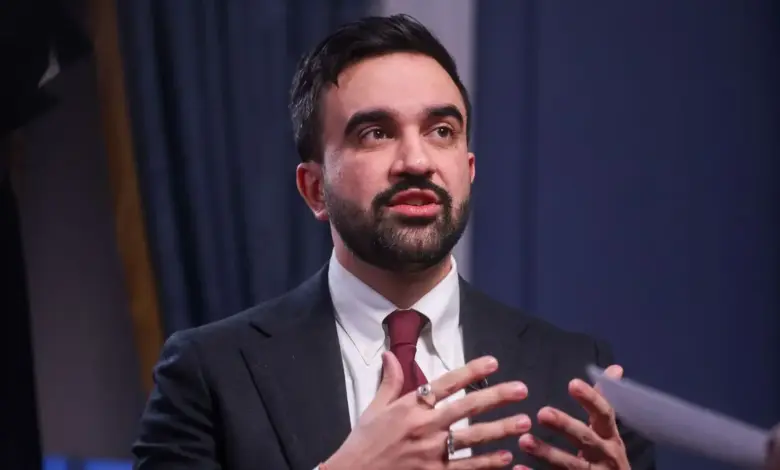
tiktok returns to the toolkit of New York City government after Mayor Zohran Mamdani directed agencies to not only download the app but use it to communicate with residents, marking a reversal of the previous administration’s ban.
What Happens When Tiktok Returns to City Communications?
Mayor Zohran Mamdani has made use of social media central to his outreach strategy and has instructed city agencies to re-embrace the platform as a channel for public-facing messages. The administration framed the move as an attempt to expand avenues for information about free services, emergency situations, upcoming events, and other public programs. The mayoral account itself posted for the first time after a long period of inactivity, reopening a visible line of direct engagement with audiences that have migrated to short-form video platforms.
How Will Agencies Operate and Protect City Networks?
The reversal comes with specific operational guardrails aimed at separating communication capability from sensitive systems. Agencies will be required to run the app on separate, government-issued devices that cannot contain sensitive or restricted data and cannot be used for email, internal systems, or privileged access. Staff designated from media and press offices will operate accounts using city government email addresses rather than personal ones. The prior ban was rooted in concerns identified by the city’s Cyber Command office and followed an earlier directive that removed the app from government-owned devices.
What If Dormant Accounts Reopen — Three Scenarios?
- Best case: Reopened agency accounts restore public-facing programs that had been paused, bringing back community-facing efforts such as sanitation and parks outreach. Targeted use of the platform amplifies emergency alerts and service sign-ups with measurable upticks in participation.
- Most likely: Accounts return with limited, carefully managed content as agencies adapt to the device and personnel rules. Communications teams use the app for outreach while Cyber Command and media offices monitor for security and compliance, resulting in steady but cautious reactivation.
- Most challenging: Technical or operational friction slows account reactivation, or public confusion about which accounts are monitored persists. Agencies must invest time in training and oversight to prevent missteps while ensuring the platforms do not introduce network risk.
The administration points to early signals of platform effectiveness in driving participation: prior social media posts prompted a substantial short-term surge in sign-ups for the city’s emergency communications program, and past advertising runs for the same program produced measurable subscriber gains. Those outcomes are being cited to justify testing the platform anew with a governance framework that limits exposure to sensitive data.
This policy shift undoes a previous prohibition instituted by former Mayor Eric Adams that removed the app from city devices over security concerns. Under the new approach, agencies that once shuttered popular department accounts will be permitted to reopen them under the new device and staffing rules, restoring a set of public channels that had gone silent.
For city officials and communications teams, the path forward is practical: reopen and pilot, measure audience reach and program impact, and refine operational safeguards in partnership with Cyber Command. For residents, the change promises more outlets for timely information but also requires clarity about which agency accounts are active and monitored.
Readers should watch for how designated staff implement the device-level restrictions, whether dormant accounts for sanitation and parks re-emerge in active form, and how measurable outreach gains shape further expansion. In short, the administration has signaled a calculated return to tiktok as a municipal communications tool, pairing outreach ambition with targeted constraints designed to protect city networks.