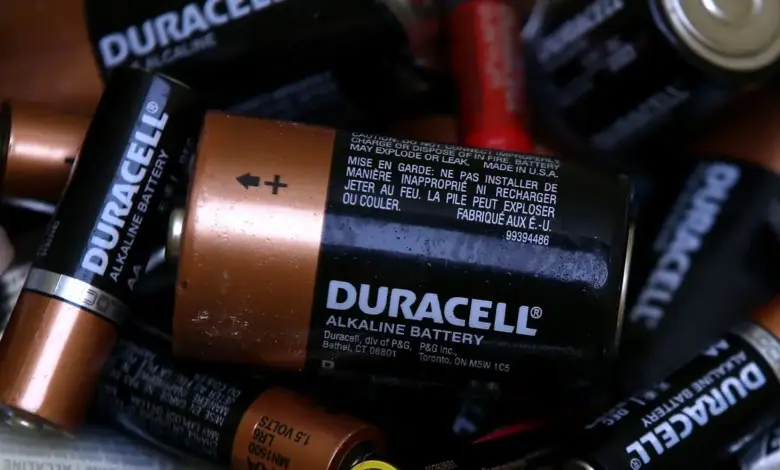
A yellow warning – wind has been issued as Storm Dave approaches, coming into force at 14: 00 BST on Saturday and remaining in place until 02: 00 on Sunday in parts of Northern Ireland, while wider warnings cover other areas over the holiday weekend. The Met Office has warned of strong gusts, possible power cuts and travel disruption, and households have been urged to prepare torches, batteries and phone chargers ahead of the expected conditions.
What does Yellow Warning – Wind mean for travel, power and the coast?
A rapidly deepening area of low pressure is forecast to move north across the island of Ireland, bringing a period of strong winds through Saturday night and into the first part of Sunday before easing later. Peak gusts of 50 to 60 mph are likely in many places, with stronger winds around coastal and more exposed areas. There is a possibility of even higher gusts in exposed parts of the wider region.
Road, rail, air and ferry services could all be affected, with some cancellations possible. The Met Office said: “People cope better with power cuts when they have prepared for them in advance. It’s easy to do; consider gathering torches and batteries, a mobile phone power pack and other essential items. ” The Met Office also warned of dangerous coastal conditions where large waves and debris could pose a risk to people and property, adding that “Even from the shore large breaking waves can sweep you off your feet and out to sea. “
How should households and travellers prepare?
The practical checklist offered by forecasters is straightforward and aimed at reducing disruption if services fail or journeys are delayed. Households are urged to gather torches, spare batteries, phone chargers and a mobile phone power pack. Residents in vulnerable locations are advised to secure loose items outside homes — garden furniture, trampolines, bins, sheds, fences and tents were all singled out as potential hazards if blown around in strong gusts.
Travelers are advised to check conditions before setting out: drivers should confirm road conditions, rail passengers should check for timetable changes and possible cancellations, and ferry users should expect disruption. Coastal communities should keep well back from the water and cliffs; emergency guidance states that in an emergency people should call 999 and ask for the Coastguard.
Past storms underline the stakes. At the height of the preceding named storm, thousands were without power and more than 350 schools closed. At least one person was injured when a tree fell on a car in Lisbellaw, County Fermanagh. Those examples are being cited as reasons to treat the current warnings seriously and to take preparatory steps now.
Who is responding and what else is at risk?
National and local authorities have placed weather warnings for large swathes of the country, and specific alerts run for multiple areas over the Easter weekend, including additional watches for island groups. Transport operators and emergency services are preparing for possible delays and rescues, and communities in exposed locations face the greatest risk of high gusts and coastal impacts.
Alongside immediate safety concerns, the wider consequences include the potential for power cuts and disruption to mobile phone coverage and other essential services. The Met Office guidance to prepare simple kits is aimed at reducing the human cost of those outages and helping households cope while services are restored.
Back where the weekend warnings start, the same message echoes: gather essentials now, secure outdoor items, and limit travel where possible. With a yellow warning – wind in force and uncertainty over the storm’s exact track, many families will spend the holiday watching the sky and checking their kits — waiting to see whether the worst will arrive and hoping the preparations will be enough.