The claim that Tehran requested an Iran War Ceasefire has been sharply rejected by Iran’s foreign ministry, setting off a confrontation between public denials and repeated high-profile assertions by the US president. The dispute over whether a ceasefire was sought now sits alongside intensifying strikes, broad military operations and economic alarms — a mix that is reshaping immediate diplomatic calculations and raising questions about the conflict’s near-term trajectory.
Background and context: Why this matters now
The Iran War Ceasefire claim was advanced publicly by the US president in a Truth Social post, where he said a “new regime president” had requested one but did not identify the individual referenced. He framed the US position conditionally, saying a ceasefire would be considered “when Hormuz Strait is open, free, and clear, ” and warned of sustained military pressure. Iran’s foreign ministry called that assertion “false and baseless. “
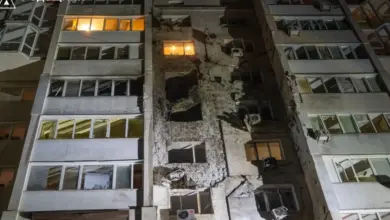
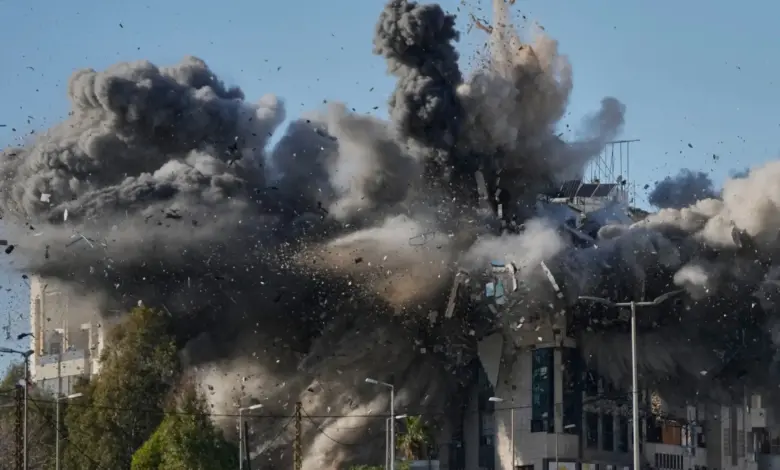
The exchange comes amid an intense phase of military activity. US Central Command provided an operational update stating more than 12, 300 Iranian targets have been struck and more than 155 Iranian vessels have been damaged or destroyed, alongside over 13, 000 combat flights involving a range of aircraft. At the same time, Israel says it has conducted more than 400 air strikes targeting infrastructure in Tehran, asserting strikes hit weapons production sites. New strikes are also reported in both Iran and Israel, while reported deaths in Lebanon have passed 1, 300.
Iran War Ceasefire: Denial, military signals and the deeper implications
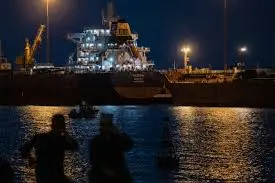
The public clash over a ceasefire claim exposes competing narratives with immediate operational consequences. Tehran’s categorical denial of a request for a ceasefire closes off a diplomatic opening portrayed in Washington as an opportunity, while the US framing links any pause to control of the Strait of Hormuz. That strategic chokepoint has been singled out in recent statements as the central condition for de‑escalation, tying maritime security directly to negotiation leverage.
Economic ripples are already evident. Oil prices eased back below $100 a barrel after volatility, yet commercial actors are signaling risk. Michael O’Leary, chief executive of Ryanair, warned that jet fuel supplies in Europe could be disrupted in the coming months if the conflict continues, flagging a potential impact on a significant portion of his carrier’s supplies and on fares. Governments and fuel industry planners are reportedly examining six‑week supply projections and contingency measures to blunt immediate shocks for travelers.
Militarily, both the scale of strikes and the variety of platforms described in operational statements underline a sustained campaign posture. The volume of claimed strikes and the targeting of production and command facilities suggest that combat operations are focused on degrading capability as well as signaling deterrence, with potential to prolong regional insecurity even absent a declared escalation or formal negotiation track.
Expert perspectives, regional fallout and a forward look
Donald Trump, President of the United States, wrote that he would consider a ceasefire only under specified conditions and issued stark warnings about continuing pressure, while also mentioning that he was contemplating NATO membership questions. Masoud Pezeshkian, President of Iran, addressed audiences in the United States directly in an open letter, rejecting portrayals of Iran as a security threat and urging Americans to examine the motives behind warmongering narratives. Pezeshkian framed such depictions as serving external economic and political interests and insisted Iran has not initiated modern aggressions.
Operational and diplomatic actors are responding. UK Prime Minister Keir Starmer said the United Kingdom will host a meeting with dozens of countries focused on the Strait of Hormuz, elevating the maritime dimension of the crisis onto a multilateral agenda. The United Arab Emirates reported its air defence systems actively engaging incoming missile and drone threats, and Dubai’s media office described interception operations over the city. Those developments underscore how hostilities are spilling into third‑party territories and prompting collective responses.
The interplay of denial and assertion over a ceasefire, sustained high-tempo military activity, and economic warnings from aviation leaders creates a layered risk environment: tactical operations continue to grind away at infrastructure and maritime security, while political actors contest whether negotiation is on the table. With fuel planners mapping six‑week horizons and multilateral meetings convening to address the Hormuz Strait, the immediate policy choices in capitals will determine whether the current pattern slides toward containment or further escalation.
Will the contradiction between Tehran’s denial and the US president’s claim harden positions or open a backchannel that remains off the public record? The answer will shape whether an Iran War Ceasefire becomes a diplomatic reality or an elusive goal as military actions and economic pressures continue to mount.