Sweden’s Revival: Potter to ‘dust off’ cowboy hat after leading sweden to World Cup — 5 lessons

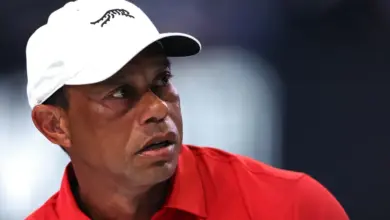
Graham Potter celebrated a mission completed and promised to “dust off my cowboy hat” after steering sweden through a tense playoff route to the World Cup. The turnaround — from an abject qualifying phase of two draws and six defeats to penalty-free playoff victories culminating in a 3-2 win over Poland — raises fresh questions about short-term management, squad depth and what a rapid national reset means ahead of a global tournament in Dallas.
Sweden’s turnaround: background and context
Sweden’s path to the World Cup relied on an unusual set of circumstances. The national side failed to win a single game in its initial qualifying group, recording two draws and six defeats across eight matches, yet it secured a playoff lifeline by topping its Nations League group. That second chance was decisive: Sweden beat Ukraine in the playoff semifinal and edged Poland 3-2 in Stockholm, with Viktor Gyökeres grabbing the decisive goal in the 88th minute.
The victory puts Sweden into Group F in Dallas, where the team will meet Tunisia, the Netherlands and Japan. The result is framed by injuries that sidelined several leading players during the playoffs; the head coach has publicly expressed the hope of regaining figures who missed out due to fitness concerns.
Deep analysis: what lies beneath Potter’s short-term mission
The immediate narrative is one of rescue: an English coach brought in to arrest decline and to convert a fragile squad into a qualifier. Potter took charge in October after a disastrous qualifying campaign and opted for pragmatic management focused on results rather than stylistic overhaul. That pragmatic approach paid off in knockout settings where margins are thin and moments — an 88th-minute winner, clutch defensive stands, composure in late phases — decide outcomes.
Potter’s appointment must be read against his career arc. After six turbulent years in England’s top flight with spells at Brighton, Chelsea and West Ham, he returned to the kind of project where his earlier reputation was forged: building from constrained resources. His formative managerial work at Ostersund, where he moved a small club from the fourth tier to the top division, is now a salient touchpoint for understanding why federation leaders chose him for a short, high-stakes mission.
Squad composition remains a live issue. Several of Sweden’s recognized top players missed the playoffs through injury, and reintegrating those talents will test selection coherence and Potter’s ability to blend short-term fixes with long-term planning. The coaching team faces the dual task of consolidating a defensive baseline that withstood playoff pressure while expanding offensive options for a World Cup group that will demand adaptability.
Expert perspective and regional implications
Graham Potter, head coach of the Sweden national team, captured the emotional scale of qualification: “I’m going to have a beer and then think, ‘Wow, we’re going to Dallas. ‘ I’ll have to dust off my cowboy hat, won’t I?” He also tempered celebration with perspective: “We weren’t perfect, but who cares? We’re going to the World Cup, baby. Wow. Yeah, I can’t analyze it. ” Those remarks illustrate a coach balancing relief and ambition as attention shifts from survival to preparation.
The playoff success has regional and tournament-level implications. For opponents in Group F, Sweden’s route signals resilience and an ability to win crucial moments. For the national federation, it validates a high-risk managerial appointment that prioritized immediate qualification over prolonged rebuilding. Internationally, Sweden’s presence in Dallas will add another tactical puzzle for group rivals who must account for recent form rather than historical pedigree.
Operationally, the coming months will test medical staff, talent reintegration, and match-planning ahead of matches against Tunisia, the Netherlands and Japan. If key players return, Sweden could present a different profile than the side that staggered through group qualifying; if injuries persist, the pragmatic, results-first identity crystallized in the playoffs will likely endure.
As preparation begins, one open question remains for fans and decision-makers alike: can Potter convert a short-term rescue into a platform that elevates sweden from playoff survivors to genuine World Cup competitors in Dallas?