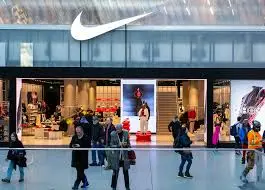
On a retail floor where brand logos used to crowd shelves, the quiet is conspicuous: rivals have moved into spaces Nike once dominated. nike stock is trading near an eight-year low as the company heads into its earnings call tomorrow, and that shifting shelf presence has become a human story — from store managers to sneaker shoppers and the executives trying to steer the brand back.
What is driving Nike Stock’s decline?
Nike’s shares have been on a losing streak, with investors watching whether the company can shrug off slowdowns in Europe and China and stabilize a wholesale and direct-sales balance that has swung under new leadership. The company’s revenue rose modestly while sales in China slid sharply, and wholesale showed strength in a recent quarter even as direct sales declined. At the center of a turnaround effort is Elliott Hill, who began his tenure as chief executive in 2024 and has steered the company to refocus on wholesale after a stretch of prioritizing direct-to-consumer channels.
That strategic pivot helps explain some of the market movement: wholesale revenue climbed in the winter quarter while direct sales fell, and investors are parsing whether that mix can stop the slide in nike stock as competitors capitalize on openings in stores and cultural cachet.
How are rivals reshaping the market and consumer choices?
Competitors have not been idle. New Balance posted sizable sales gains in recent periods and has reopened physical doors at pace, adding dozens of stores and raising average prices while expanding its fashion credibility. The company expects to reach a sales milestone that would put it a few billion behind Nike, a gap that has narrowed as consumer preferences shift. Adidas recorded record revenue while brands like On and Salomon reported strong growth and milestones in sales — moves that have translated into visible shelf gains and heightened competition for cultural relevance.
Nike’s own moves to regain style cred include experiments in product design and marketing aimed at younger consumers. The company has tested mindfulness-themed sneakers and has been quick to partner with Gen Z athletes such as Alysa Liu. Still, the broader pattern — peers growing sales, opening stores, and in some cases raising prices successfully — underscores why nike stock has become a focal point for investors and retail observers alike.
What is Nike doing to respond, and what happens next?
Leadership has signaled a shift back toward wholesale as part of a larger effort to reclaim lost shelf presence. That wholesale focus delivered a positive swing in one recent quarter, even as direct sales declined. The company is also testing new product concepts and athlete partnerships in an attempt to boost cultural relevance and stem market-share losses, while questions linger about how to address underperforming divisions mentioned by investors.
As the company prepares to report results, the immediate yardstick for many will be whether the latest quarter shows stabilization in core markets and continued improvement in wholesale revenue. The interplay between product innovation, athlete partnerships, and distribution strategy will be central to any narrative about recovery — and to whether nike stock can find firmer ground.
Back on the shop floor, where rival boxes now crowd the display, the scene that opened this story takes on new charge: it is both a snapshot of what has already shifted and a measure of what remains at stake. For employees replenishing shelves and for executives watching the tape, tomorrow’s earnings will be another test of whether recent adjustments are enough to turn a losing streak into a comeback — or whether the brand must change course again to reclaim its footing.