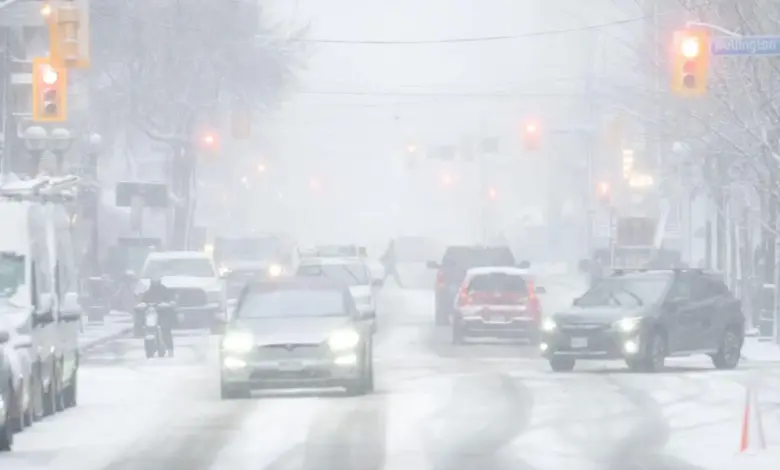
A city sidewalk rimed with packed snow becomes a daily obstacle for people who must get to work, school or medical appointments — a concrete reminder that recent snow plowing has been blamed on multiyear contracts awarded in 2022. The forensic audit released this week ties procurement choices to problematic snow clearing and removal after storms and to higher costs for taxpayers.
What did the audit find about Snow Plowing contracts?
A forensic audit by KPMG’s forensics division found the procurement process for the 2022 contracts included “unusual and unexpected” events and created risk for the city’s finances, winter operations and procurement integrity. The audit emphasized that it did not examine the quality of snow removal work or contractors’ conduct; its scope was limited to staff procurement practices. KPMG’s report also stated, “While we did not identify clear evidence of wrongdoing, we did observe a number of events that highlighted fraud and misconduct risk areas. “
How did the procurement changes lead to higher costs and operational strain?
Toronto taxpayers paid almost $60 million more than expected for snow removal over the past four years, and the audit links that outcome to how the city awarded its multimillion-dollar agreements in 2022. The city moved from 47 winter contracts to 11 that divide the municipality into five zones, with four companies and one joint venture managing equipment and staff. The contracts, signed in 2022 under then-mayor John Tory, span seven years and are collectively worth up to $1. 5 billion over their lifespan, which is set to end in 2029.
City documents explain the reduction was meant to achieve “a more efficient and co-operative method to delivering services, ” and the procurement strategy shifted away from awarding primarily on lowest price toward seeking “potential innovative solutions and volume discounts. ” One significant change was not stipulating required machinery and procedures so bidders could propose creative approaches. The audit found that the procurement process that unfolded was not what staff had expected: a new evaluation method gave less weight to bidder experience and much more weight to written responses. That, KPMG’s report noted, “allowed organizations with less experience to compete successfully, ” and the net effect was described as an “operational risk” to the city.
Who has raised concerns and what has been done so far?
City council requested the forensic audit because of worries about fairness and transparency in the procurement process. Mayor Olivia Chow and city staff have pointed to the contracts awarded in 2022 as a key reason for the city’s slow response to cleaning up after snowstorms. KPMG conducted the investigation at council’s request and produced the findings now under discussion. The report flags procurement decisions and internal factors as contributing to the “unusual and unexpected” events, but it stops short of assigning clear evidence of wrongdoing and does not evaluate contractor performance on the street.
The findings leave municipal leaders with technical and political choices: whether to revisit evaluation criteria, to reintroduce requirements about equipment and procedures, or to alter the contract structure before the agreements end. The audit makes clear the procurement choices exposed the city to financial and operational risk; how those risks will be remedied is now a matter for elected officials and procurement staff to resolve.
Back on the sidewalk from the opening scene, the heap of compacted snow is more than a nuisance: it is a visible consequence of policy decisions about how winter work is bought and organized. As Toronto considers next steps in response to the audit, residents and commuters will watch whether changes to contracting and procurement restore faster, more reliable snow plowing and reduce the financial strain noted in the report.