film ma fille tu seras libre follows Zarmina, a girl sold into marriage in Afghanistan and later bound by a family marriage pact after she reaches Canada. Directed by Bachir Bensaddek and written by Marie Vien, the film opened on March 27, 2026 (ET) and places forced marriage at the center of a Greek-style tragedy. The story spans two decades and two continents to show how a promise meant to secure freedom instead cycles violence and debt across generations.
Film Ma Fille Tu Seras Libre — plot, craft and sharp flaws
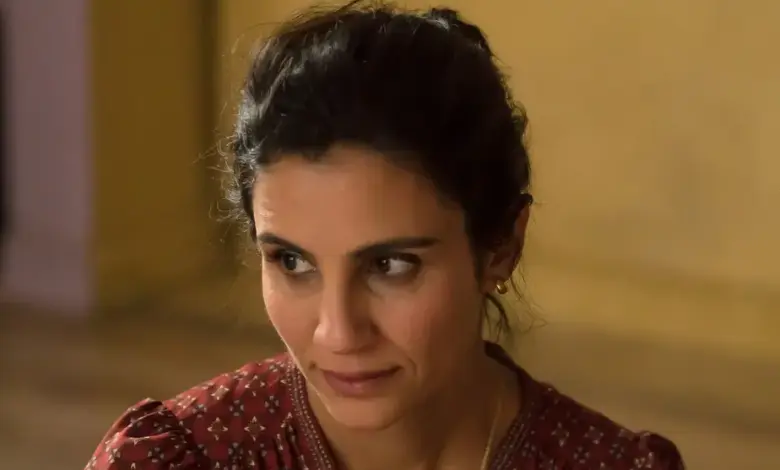
The film begins in the early 2000s with a teenage girl sold by her father to a 65-year-old man and then follows the mother’s desperate bid to save her daughter by arranging a different marriage to a younger man in Canada; that bargain carries its own price when the daughter must later promise her own child in marriage to a relative abroad. Bachir Bensaddek directs, Marie Vien is credited as screenwriter, and the score is composed by Catherine Major. Wazhma Bahar stars as Zarmina; other credited performers include Julie Le Breton, Saba Vahedyousefi, Firuz Ali Nazar, Saboor Sahak, Paeman Arianfar, Guillaume Cyr and Sophie Cadieux. The production filmed scenes staged to suggest Afghanistan, though principal photography took place in Cyprus.
Technically, the film leans into a tragic form: time shifts, recurring motifs and a sober visual palette aim to bind past and present. At the same time, the screenplay’s compressed moves and uneven performances leave gaps that some viewers may find jarring. The narrative closes with a stark dedication to another Zarmina who was beaten and later self-immolated in 2010, a final note meant to underline the real-world stakes behind the drama.
Immediate reactions from the creative team
Marie Vien, screenwriter, Ma fille tu seras libre production, framed the project as a deliberate return to tragic form: “I wrote a tragedy in the purest sense, where every character is cornered and forced to choose. ” She also acknowledged the burden of authorship and the film’s scope: “This film is bigger than me, ” Marie Vien said, citing years of research she undertook before writing. Director Bachir Bensaddek, credited as director, assembled a cast mixing actors of Afghan origin with Quebec artists to reflect the story’s transnational reach.
Wazhma Bahar is credited with giving Zarmina a restrained, emotionally charged center; Julie Le Breton is credited as a convincing ally on screen. The creative team has emphasized that the film aims more for emotional force than documentary proof, choosing tragedy and character pressure over an encyclopedic survey of facts.
What’s next — audience, debate and future screenings
Expect conversation: the film intentionally spotlights forced marriage and the long, collateral consequences of private bargains. The creative team has positioned this as a work that seeks to move audiences emotionally and provoke debate about tradition, gender and migration. As screenings continue, the film’s reception will hinge on whether viewers embrace the tragic frame and whether the questions it raises about agency, duty and intergenerational promises prompt broader public discussion. For now, the film stands as a contested, urgent piece of cinema that foregrounds a practice many deem shamefully underexposed.
Published March 27, 2026 (ET). film ma fille tu seras libre closes on a dedication that insists the story is rooted in actual pain, and the production urges viewers to see the film as both an artistic act and an invitation to reckon with real lives.