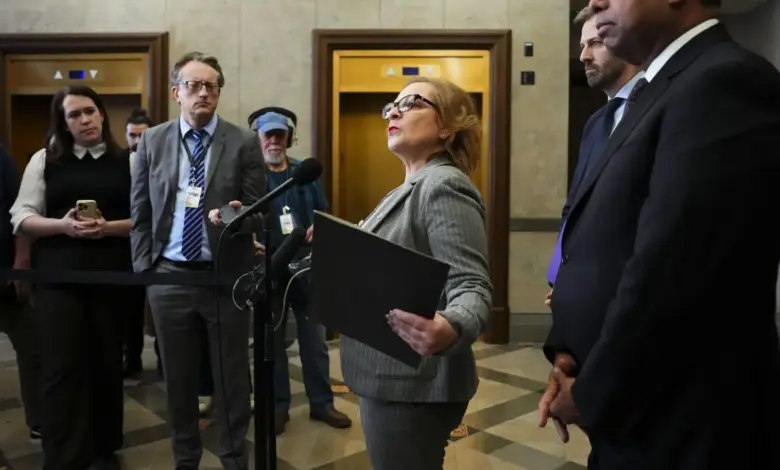
The United Nations Human Rights Committee has warned that bill c12 may weaken refugee protections and curtail access to fair asylum procedures — an unexpected rebuke that reframes a contentious domestic debate and raises questions about Canada’s international obligations.
Bill C12: Background and legal changes
The legislation under scrutiny introduces several structural shifts. One measure would bar people who first came to Canada more than a year ago from filing refugee claims with the Immigrant and Refugee Board, redirecting them to a pre-removal risk assessment process ordinarily reserved for appellants. The bill would also empower the government to stop accepting new immigration applications or cancel existing ones when it deems it in the “public interest. ” Advocates have highlighted the potential for mass cancellation of immigration documents and applications, and the standing Senate committee that examined the bill recommended removing some proposed changes to immigration and refugee protection laws on grounds of human rights, privacy and due process.
Deep analysis: causes, mechanisms and ripple effects
At the core of the UN committee’s critique is a contention that bill c12 could create a de facto two-tier asylum system. By channeling many claimants away from in-person hearings and toward administrative assessments, the bill changes procedural pathways for protection. The shift from merits-based refugee claim hearings to expanded use of pre-removal risk assessments narrows avenues for claimants to present testimony and documentary evidence before the primary asylum review body.
Another mechanism with broad reach is the ambiguous “public interest” trigger. The immigration minister and department officials acknowledge that the phrase is deliberately vague to allow leeway across scenarios the government might face. That vagueness, critics argue, would allow the executive to freeze or rescind immigration channels in situations ranging from public-health emergencies to security concerns, with limited statutory guardrails.
Finally, the bill invites scrutiny of information-sharing practices. Concern about facilitating the exchange of personal data within and beyond Canadian borders forms part of civil society’s objection; such provisions could heighten privacy risks for vulnerable migrants and complicate claims where return poses danger.
Expert perspectives and regional implications
Julia Sande, human rights lawyer with Amnesty International, framed the committee’s findings starkly: the report “calls into question the values that Canada proclaims. ” Sande added that the UN committee’s conclusions “do not come as a surprise, ” reflecting long-standing alarms raised by civil liberties and refugee advocates. Immigration Minister Lena Metlege Diab has described the “public interest” clause as intentionally broad, saying it is meant to give the government leeway to approach a range of scenarios.
Legal and professional bodies have echoed procedural concerns. The Canadian Bar Association and Amnesty International have warned that the proposed architecture would not guarantee in-person hearings for vulnerable people and could endanger those who enter the country fearing persecution. The UN committee also urged Canada to ensure asylum seekers have “unfettered access” to its territory and fair procedures and recommended safeguards against refoulement — the return of people to places where they face torture or serious human-rights violations.
The bill’s impact would extend beyond domestic law: the UN committee called for a review of Canada’s participation in the Safe Third Country Agreement with the United States, highlighting how international arrangements intersect with the new domestic rules. Civil-society coalitions say the law places thousands at increased risk of precarity, and a national civil liberties association described the passage as an attack on refugee and migrant rights, emphasizing concerns about expanded discretionary power and an erosion of protections.
Forward look: legal challenges and policy choices ahead
Parliamentary scrutiny and the standing Senate committee’s recommended deletions point to unsettled legislative record and potential legal contestation. The juxtaposition of an international committee’s critique with domestic endorsements of broader ministerial discretion frames a likely path of litigation, advocacy campaigns and potential policy reversals by future administrations. Questions about operational capacity at immigration tribunals, safeguards for vulnerable claimants, and data-sharing protocols remain unresolved.
As stakeholders mobilize — from legal associations to human-rights coalitions — the fundamental tension is clear: can a framework that centralizes discretion and narrows procedural routes still meet Canada’s obligations under international human-rights instruments, or will bill c12 precipitate a reconfiguration of asylum access that invites legal and diplomatic fallout?