The doj ice memo error has emerged as a turning point in litigation over arrests of immigrants at immigration courts, after federal filings revealed that lawyers for immigration authorities provided false information to justify thousands of detentions.
What Is Happening Now?
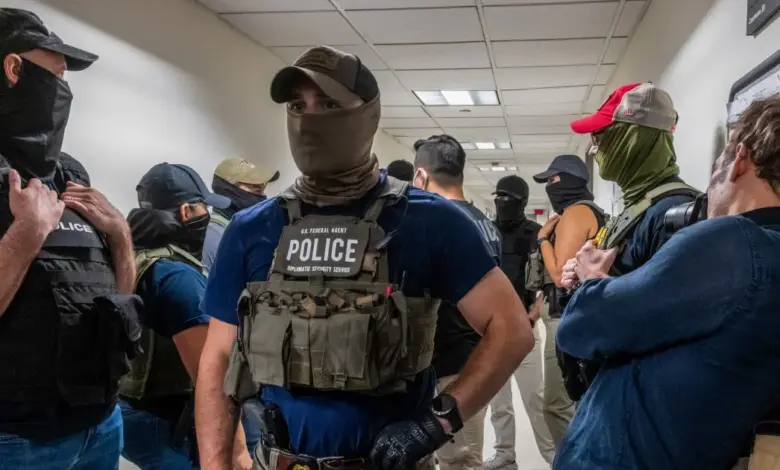
Federal prosecutors from the office of Jay Clayton filed court documents stating that lawyers for U. S. immigration enforcement had relied on a memo titled “2025 ICE Guidance” to defend the agency’s practice of arresting people as they left immigration-court hearings. The filings say the memo does not and has never authorized civil immigration enforcement actions in or near immigration courts. The alleged misuse of the memo underpinned the government’s arguments in a lawsuit brought by the New York Civil Liberties Union and other immigrant rights groups challenging arrests at mandated hearings.
Plaintiffs argued that agents had arrested thousands of people after they attended hearings, preventing them from pursuing their immigration cases. Judge Kevin Castel previously denied a request to block the practice, citing the government’s representation that ICE guidance allowed arrests at or near an immigration court. Prosecutors now acknowledge a material mistaken statement of fact and have notified the court that portions of briefs relying on the memo will need to be reconsidered and re-briefed.
What Happens Next After the Doj Ice Memo Error?
The DOJ filing says it became aware of the issue when it received an internal ICE email reminding staff that the May 27, 2025 guidance does not apply to Executive Office for Immigration Review courts. An ICE attorney later emailed the federal prosecutor’s office to state that the memo “does not and has never authorized” arrests near immigration courts, after having been cited previously to justify those arrests. Assistant U. S. Attorney Tomoko Onozawa wrote that the office “deeply regret[s] that this error has come to light at this late stage” but said the mistake was not caused by lack of diligence by the undersigned attorneys.
Amy Belsher, an attorney for the New York Civil Liberties Union, told the court that the implications are far-reaching, noting continued arrests after the court relied on the government’s representation. Prosecutors said they informed the plaintiffs about the mistake and that the court’s September 12 opinion and order and the plaintiffs’ briefs will need fresh consideration for the court to adjudicate plaintiffs’ Administrative Procedure Act claims against ICE on the merits.
What If the Court Reconsiders?
If the court reopens review, the procedural posture of the case will change: parts of the government’s briefing that rested on the guidance will be withdrawn and reworked. Prosecutors have maintained other arguments that courthouse arrests do not violate common-law privileges against such arrests, but the recognition of an erroneous factual representation will require the court to reassess prior conclusions drawn from that representation.
The filings state the error appears to have resulted from agency attorney error. The acknowledgment creates an immediate legal ripple: filings must be re-briefed, the court’s earlier disposition will be revisited, and plaintiffs regain an opportunity to have their APA claims heard against the factual record corrected for the doj ice memo error.
Who should pay attention: the plaintiffs and immigrant advocates, federal prosecutors and ICE lawyers, and the judge overseeing the case, Kevin Castel. The filings show that courtroom outcomes and future enforcement practices can hinge on the factual assertions made in briefs. While the DOJ has apologized for the mistaken statement of fact, the long-term legal and practical consequences will depend on how the court re-evaluates the merits once corrected briefing is submitted.
The DOJ’s disclosure that it had erroneously relied on the memorandum and the subsequent acknowledgment from ICE counsel mark a pivotal moment for the litigation and the contested practice of conducting arrests at or near immigration courts. Courts will now have to determine the consequences of that error and proceed to adjudicate the underlying claims with the corrected record in light of the doj ice memo error.