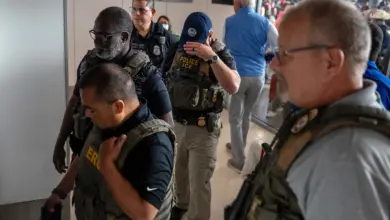
On a humid hearing room morning, piles of clipboards and sheaves of folded petition pages sat under fluorescent lights while campaign staff whispered over lists — every name a possible route onto the ballot. State Representative Eddie Andrews clinched his spot by the slimmest margin: one signature stood between him and exclusion.
How did Eddie Andrews stay on the ballot?
The State Objection Panel spent two days examining challenges to Andrews’ petitions, pausing at one point when Andrews and his lawyer said they had not received documents from the secretary of state needed to mount a full defense. Andrews needed 3, 500 total signatures to qualify and emerged with the minimum margin when one signature was accepted after scrutiny. Panel member Bird framed the outcome bluntly: “After going through everything in great detail there are 19 counties that are qualified and that is the minimum number that is required to be qualified in order to run for Governor. ” Governor candidates require at least 100 valid signatures from at least 19 counties to appear on the primary ballot.
Why were objections filed, and who is speaking up?
David Bush filed the objection challenging Andrews’ totals. Bush told the panel his objection was about election integrity, not who he was supporting in the election. The panel accepted many of Bush’s objections, but one signature nevertheless remained valid, allowing Andrews to qualify. Supporters in the hearing room erupted in cheers when the panel announced the decision. “We are obviously happy. This is a win not only for our campaign for the Eddie Andrews campaign, it’s a win for Iowa, and a win for Iowa voters, ” said Andrews’ representative.
Andrews made more pointed accusations toward a rival. “He called me, Adam called me on the 17th he made the same offer, if you’re not going to be on team Steen then we are going to challenge you. And I said I humbly decline that interesting offer, ” Andrews said, claiming that Adam Steen had personally pressured him to drop out or face an objection. Steen’s campaign denied the accusation, stating they asked Andrews to join the campaign but had nothing to do with the objection filed. Andrews also said someone stole some of his original signature papers; he has not filed a police report.
What does this narrow victory mean for the June primaries and local races?
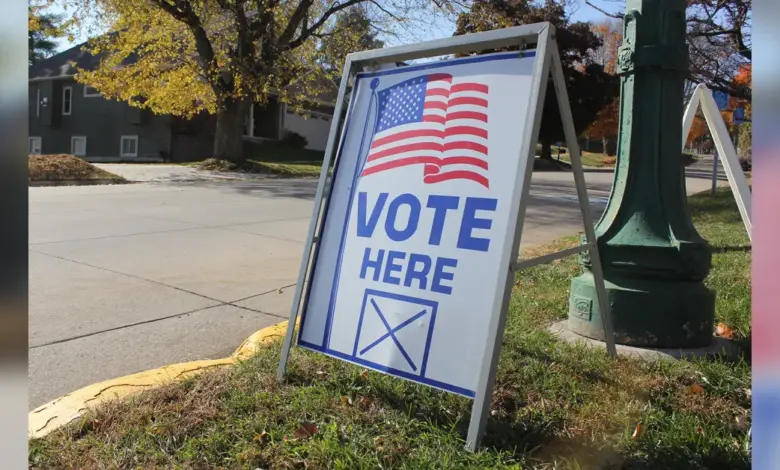
With Andrews’ qualification, Republicans will have five candidates on the June primary ballot. The filing deadline for local candidates closed the prior Friday, and primaries are scheduled for June 2 (ET). Local races are now set to move to the June ballot as candidates pivot from paperwork disputes to voter outreach. In at least one county, three seats on a local board are up for reelection, underscoring that the filing season affects races from the governor’s contest to neighborhood governance.
Panel member Bird’s role in the objection review highlighted how technical and local these fights can be: an administrative judge, volunteers and clerks in multiple counties all shape who ultimately appears before voters. For campaigns, the lesson is procedural as much as political — a single valid signature across counties can swing eligibility, and challenges can decide whether a name appears on the ballot at all.
Campaign operatives and county clerks now turn toward the mechanics of the primary season: ballots must be printed, early-voting schedules set, and candidate forums organized. For candidates who were removed from ballots earlier in the cycle, uncertainty remains; one provided headline notes that three Iowa candidates were booted from the 2026 ballot, and one more could yet join them, a separate but related sign of a contested filing season.
As June 2 approaches, the narrow outcomes of administrative reviews will be tested at the polls. The hearing room where pages of signatures were laid out in stacks has emptied, but the question it posed remains: will voters decide in favor of the candidates who survived procedural hurdles, or will the technical skirmishes leave lasting dents in trust?
Back in that hearing room, the clipboards are gone but the memory of a single accepted signature lingers: a small piece of paper that determined whether a name would appear on the ballot and whether five Republicans will contest the party’s nomination this June.