On a hot Memorial Day weekend in 1999, friends remember jfk with a fresh broken ankle and the strain of a relationship that, they say, had grown quiet and distant. That fractured summer—marked by caregiving for a dying cousin, a struggling magazine and relentless attention—became the backdrop to conversations that would echo after the plane crash later that year.
Jfk’s Final Words to His Flight Instructor: Wanting to Fly “Alone”
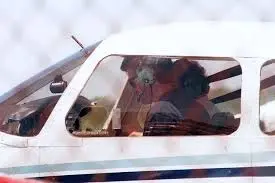
In the weeks before the crash that claimed the couple’s lives, he told his flight instructor he wanted to fly the aircraft “alone” and without supervision. That decision has taken on new weight as friends recount how his final months were shaped by other pressures: grief over a cousin battling illness, the demands of running a troubled publication, and the glare of public attention. The wish to pilot alone sits alongside personal choices friends say reflected a man trying to make space for his priorities.
Marriage Strain, Public Scrutiny and a Faltering Business
Friends described the relationship as strained and, at times, emotionally shut down. Sasha Chermayeff, a close friend, said, “His heart was breaking, and I think hers was too. ” He added, “They were so disconnected, ” pointing to a weekend after jfk broke his ankle when he observed, “She’s so shut down. ” Those closeness problems, Chermayeff said, coincided with a “pressure cooker” of fame and the practical worries of how to sustain a magazine that was having trouble.
The couple’s private life was further complicated by caregiving responsibilities. Chermayeff recalled jfk speaking about his cousin, and said, “Because of this, I’ll just be with Anthony. I won’t be able to get up and bike 20 miles. Anthony won’t be able to go anywhere. I’ll just give him the time he needs before he dies, ” and that there were tears in his eyes when he said that. That devotion, friends say, pulled attention and energy away from the marriage at a fragile moment.
Voices Close to the Couple: Counseling, Choices and Hope
Those who knew the pair described attempts to respond. They were in marriage counseling during that last summer, and jfk had begun making practical moves—contacting a security company and considering future steps that included public service—as ways to protect and plan for what he hoped would be a family. Chermayeff remembered the couple’s private struggle with intimacy: jfk told friends the couple were not intimate, despite his desire to have children.
Biographer and friend Steven M. Gillon framed the marriage as at a crossroads, saying bluntly, “If she’s done, I’m done. ” Friends saw Carolyn Bessette’s reaction to sudden fame as acute; Chermayeff described her as “panic-stricken by the whole thing — all that fame and attention, with all these cameras in her face. ” Yet there were small signs of movement: Bessette agreed to attend a family wedding in mid-July 1999 after initially resisting, and friends read that as a possible step toward repair.
These human responses—counseling, practical planning, and the pull of family obligations—offer a picture of people trying different roads in the face of pressure, not neat solutions but attempts at repair and care.
In the end, the image of jfk at that Memorial Day weekend—hobbling with a broken ankle, talking about time with his cousin, joking about family and yet grappling with a marriage that felt “disconnected”—remains a quiet, complicated memory. His wish to fly alone, his moves to protect a future family, the counseling sessions and the small reconciliatory steps all sit together in the weeks before the crash, leaving unanswered the question of what might have been had they found a way through. Friends and a biographer remember a man and a marriage caught between public pressure and private grief, making decisions that would be weighed forever against the tragedy that followed.