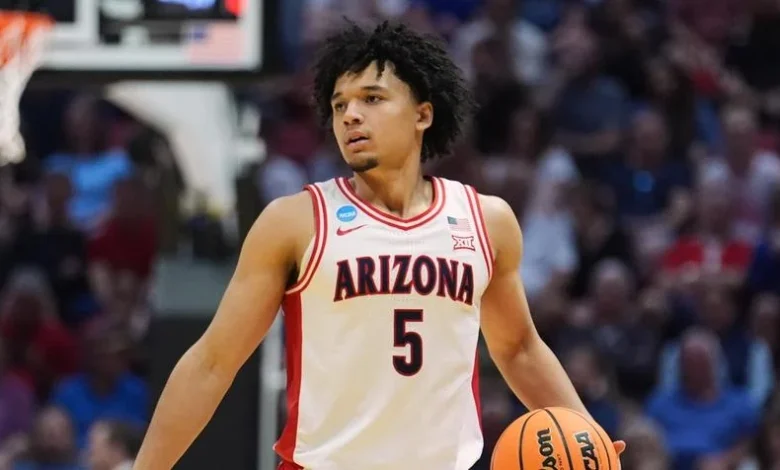
arizona basketball has advanced to the second round of the 2026 NCAA Tournament and will meet No. 9-seed Utah State; as of March 20, 2026 ET the matchup sets Arizona against an Aggies team fresh off a win over Villanova, with both programs bringing distinct strengths and historical quirks to the floor.
Expanding Details
Utah State arrives as a seasoned mid-major: this is the Aggies’ fourth straight NCAA Tournament appearance and their 14th since 2000. The program boasts 27 overall tournament berths and was one of eight teams in the inaugural 1939 field. Utah State won the Mountain West this season and carries offensive firepower, averaging more than 82 points per game and ranking 42nd among 365 Division I teams in scoring while sitting 14th in overall field-goal percentage.
The Aggies’ attack hinges on guards MJ Coillins Jr. and Mason Falslev, who combine for 33. 9 points per game and rate among the top seven scorers in the Mountain West by scoring and shooting percentage. Utah State is the only Mountain West team with multiple players averaging over 15 points per game this season, and its current roster construction relies heavily on transfers: eight transfers and only four underclassmen are included on the active roster.
Roster depth is notable. Utah State can use as many as 10 players on a given night — two more than Arizona usually deploys — and eight players have appeared in all 35 games this season while another has played in 34. Six players on the Aggies’ roster have previous March Madness experience from former schools. Head coach Jerrod Calhoun is in his second year at Utah State and registered his first Division I NCAA Tournament win with the team’s first-round victory over Villanova.
Immediate Reactions
Historic and matchup context favors Arizona on certain measures: No. 9 seeds hold a 6-75 all-time record against No. 1 seeds in the NCAA Tournament, and Utah State has not advanced past this stage of the tournament since 1970. Still, the historical head-to-head record is tilted toward the Aggies, who hold a 3-1 advantage in four meetings, though Arizona won the most recent meeting in 2005.
Matchup dynamics point to a high-possession, high-scoring game narrative: Utah State’s season-long offensive efficiency and three-point history combine with field-goal accuracy that compares with top programs, while Arizona’s national standing as a top offensive team makes this a game where pace and conversion rates will decide margins. Utah State’s proven ability to score in volume makes it a dangerous double-digit underdog in a tournament setting known for surprises.
What’s Next
For arizona basketball, the immediate task is controlling tempo and handling Utah State’s depth and guard scoring. The Wildcats will need to limit efficient looks and force less-productive lineups against the Aggies’ rotation while maintaining their own offensive standards. Attention will turn to matchup deployment and who can finish at expected offensive levels; game-time adjustments and rotation decisions will determine whether the historical seed gap holds or another March upset unfolds.