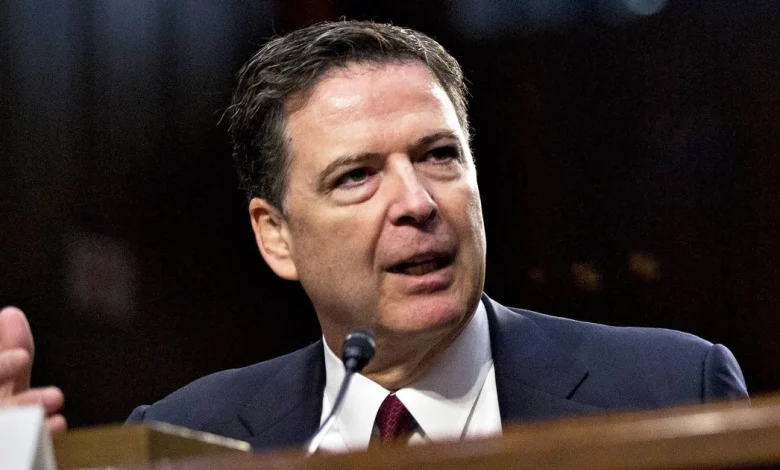
In Washington hallways and federal offices, word that james comey had been subpoenaed landed like another chapter in a long-running saga: a former FBI director now a witness — or a target — in a sprawling legal review led by a Trump-appointed U. S. attorney. The subpoena is one of more than 130 sent in a wide-ranging inquiry that has pulled in former intelligence and law enforcement figures.
Why was James Comey subpoenaed?
The subpoena for James Comey is part of an investigation led by Jason A. Reding Quiñones, U. S. Attorney for the Southern District of Florida, that focuses on the earlier inquiry into Russian interference in the 2016 presidential election and related prosecutions involving President Donald Trump. The review has been described by supporters of the president as a “grand conspiracy” probe. An attorney for Comey did not offer an immediate comment, and Quiñones’ office did not immediately respond to inquiries. More than 130 subpoenas have been issued in connection with the inquiry.
What does the ‘grand conspiracy’ probe examine?
The probe centers on questions about the original 2016 Russia investigation and subsequent prosecutions tied to the president. Those backing the inquiry argue that, even if events occurred years ago, actions taken later may fall within a five-year statute of limitations if they furthered an alleged conspiracy. Multiple prior investigations examined Moscow’s interference in 2016: a bipartisan Senate Intelligence Committee review and the earlier special counsel review led by Robert Mueller, both of which found that Russia intervened in the election but did not establish criminal collusion between the president’s team and Moscow. Separately, John Durham, a special counsel appointed by Attorney General William Barr, found no evidence that Obama administration officials carried out a criminal conspiracy to fabricate intelligence about Russia’s actions.
What are the legal and human stakes?
Federal prosecutors have broad authority to issue subpoenas for records or testimony; such grand jury subpoenas are typically issued under court authority and do not require immediate judicial approval. A recipient can seek judicial review by filing a motion to quash a subpoena, an avenue pursued in at least one instance during this inquiry. The legal machinery is layered atop very personal consequences. Figures who were prominent during the 2016 probe, including former CIA Director John Brennan and James Comey, now face renewed scrutiny. Comey previously testified to Congress after his firing in 2017 about Russia’s interference; the current subpoena brings him back into the courtroom orbit.
The inquiry has already touched on prosecutorial appointments and the limits of authority. A prior attempt to prosecute Comey was dismissed by a federal judge who characterized the prosecutor involved as “a former White House aide with no prior prosecutorial experience. ” The Justice Department has challenged that ruling. These procedural battles underscore how personnel decisions and legal technicalities can determine whether a case proceeds — and how those decisions reverberate for the people named in the files and subpoenas.
For those subpoenaed, the experience is disruptive: legal preparation, potential testimony before a grand jury, and the public scrutiny that follows. For communities and institutions mentioned in the records, the probe revives debates about investigative judgment, political influence, and the long shadow cast by 2016.
Back in Washington, with more than 130 subpoenas issued and names from intelligence and law enforcement appearing in the documents, the inquiry remains active and contested. james comey’s subpoena is a reminder that past investigations can re-enter public life through legal process, leaving unanswered questions about motive, evidence and consequence as the probe continues to unfold.
Image caption (alt text): james comey subpoenaed