Australian Fuel: Analysts Warn Major Suppliers Could Cut Exports, Government Flags Powers to Ration

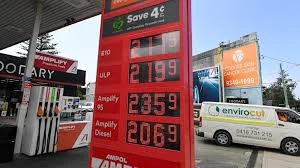
Energy minister Chris Bowen warned that australian fuel supply is under pressure as some service stations run out of stock in Australia; analysts say major suppliers may prioritise domestic needs; the government says rationing is not imminent but has powers if disruption worsens.
Expanding details: immediate strain and official stance
Chris Bowen, energy minister, acknowledged that some service stations are running out of stock and said the federal government has powers to ration petrol should supply be very severely disrupted. Bowen said the Malaysian government had taken no action to threaten supply and that the ships Australia expected have arrived; he added that rationing “isn’t been contemplated as something that we need to do in the immediate future” and that “we’re not close to there” (Friday (ET)).
Energy experts warn the picture could change if major regional suppliers move to protect their own markets. Malaysia was identified as a top source of crude oil for Australia, and analysts flagged South Korea, Japan and India as vulnerable because they rely heavily on imports and could prioritise domestic use.
Australian Fuel: immediate reactions from officials and analysts
Kevin Morrison, energy finance analyst at the Institute for Energy Economics and Financial Analysis, called the warnings “really significant, ” stressing the risk that major suppliers could prioritise domestic markets over exports. Morrison noted the heavy dependence on regional suppliers for petroleum products and crude oil used by domestic refineries.
Vinh Thai, professor of logistics and supply chain management at RMIT University, highlighted that governments must act in the interests of their own citizens and may impose export restrictions if needed. He said, “Of course a government of a country has to first of all act in the interests of their own citizens; that Malaysian official is saying that for a reason. “
Bowen pushed back on immediate panic, saying, “It wasn’t a particular announcement that they were taking any particular action. Malaysia produces and refines a lot more fuel than Malaysia or Malaysians would need at any given time. ” He repeated that, at this stage, Australia is not close to invoking rationing powers (Thursday (ET)–Friday (ET)).
Quick context and immediate risks
Major sources of Australian oil include Malaysia and South Korea; analysts warned that if crude supplies decline and the conflict driving shortages continues, supplier governments may prioritise local markets. Reports were also cited that India and Vietnam are concerned about keeping their citizens and industry supplied, raising the prospect of export restrictions that would have an immediate impact on imports into Australia.
What’s next: watch supplier decisions and station stocks
Officials are tracking ship arrivals and retail stock levels while telling the public that supply is not being disrupted at this point. Analysts say the critical indicators to watch are any formal export restrictions or prioritisation from regional suppliers and the pace at which service stations run out of product; those moves would directly affect domestic availability.
For now, the government’s message is that rationing is not on the immediate horizon but remains a power that could be used if supplies become very severely disrupted. Stakeholders and motorists should monitor announcements from supplier countries and domestic fuel inventories closely as the situation develops around australian fuel.