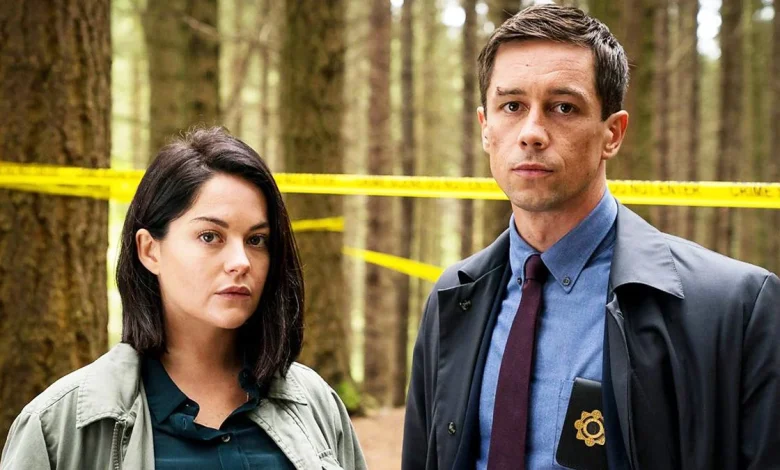
At the edge of a stand of damp trees a small, still body is found; two detectives stand in the drizzle, exchanging notes as a community reels. That image sums up the first hour of the dublin murders, an eight-part psychological whodunnit that opens on a child’s death in the woods and pushes its lead investigators into a web of older secrets.
The Dublin Murders: What makes it ‘superb’?
The dublin murders blends a moody, slow-burn investigation with tightly written psychological detail. The series adapts elements of two crime novels by Tana French and follows detectives Rob Reilly and Cassie Maddox as they handle a case that unearths a decades-old, eerily similar mystery. A synopsis used in publicity calls the work “richly atmospheric and stunning in its complexity, Dublin Murders is utterly convincing and surprising to the very end, ” language echoed by viewers who have praised its depth and unpredictability.
Why has this eight-part drama struck a chord?
Viewers and reviewers have singled out three connected strengths: the central mystery, the emotional realism of the protagonists, and the series’ deliberate refusal to tidy every loose end. Critics described it as “mind-twisting” and many fans said it kept them guessing until the finale. The show juxtaposes a child’s killing with a second case — a young dancer found on an ancient stone altar and a separate stabbing in a ruin — knitting together themes of trauma and community complicity. That narrative ambition, plus a refusal to resolve every strand, left audiences wanting more and prompted discussions about adapting further books in the same series.
Voices on the ground: creators, cast and viewers
The drama stars Killian Scott as Detective Rob Reilly and Sarah Greene as Detective Cassie Maddox, a pairing whose chemistry anchors the investigation and its emotional fallout. Tana French is credited as the novelist whose Dublin Murder Squad books supply the source material. The eight-part adaptation was penned by Sarah Phelps, the prolific screenwriter known for work on a BAFTA-winning drama and for adapting classic crime material; her involvement helps explain the show’s focus on psychological tension and carefully constructed plotting.
Audience response has been emphatic. One viewer called the series “absolutely brilliant, ” while another described it as “one of the best crime dramas” they’d seen, though some warned the finale leaves threads open. A ten-out-of-ten review praised the show as both a gripping mystery and “a realistic study on PTSD and a detective crumbling under the pressure of working in such a traumatising field. ” Those reactions point to the human cost at the heart of the narrative: detectives confronting personal shadows while trying to deliver justice for victims.
What is being done — and what remains unsettled?
Producers, cast members and fans have discussed the possibility of further adaptations from the same set of novels, but no new season has been produced to continue the on-screen story. The series was filmed in both Dublin and Belfast, and its cast includes a broad ensemble that viewers have highlighted as a strength. For many who have now rediscovered the eight episodes, the question is whether renewed attention will translate into more adaptations of the remaining novels in the larger book cycle.
Beyond production decisions, the series has had an effect on conversations around representation of trauma in crime drama. Commentators and viewers have noted how the show treats PTSD and the psychological impact of policing with a seriousness often missing from glossier procedurals, which has contributed to its lasting reputation.
Back at the edge of the woods that opens the story, the detectives finish their sweep and rise from the damp leaves with new evidence in hand — but not all questions answered. The dublin murders leaves viewers with a sense of unease and a hunger for more, a narrative posture that keeps its fictional community and its real audience waiting to see whether those remaining threads will ever be pulled into a second chapter.