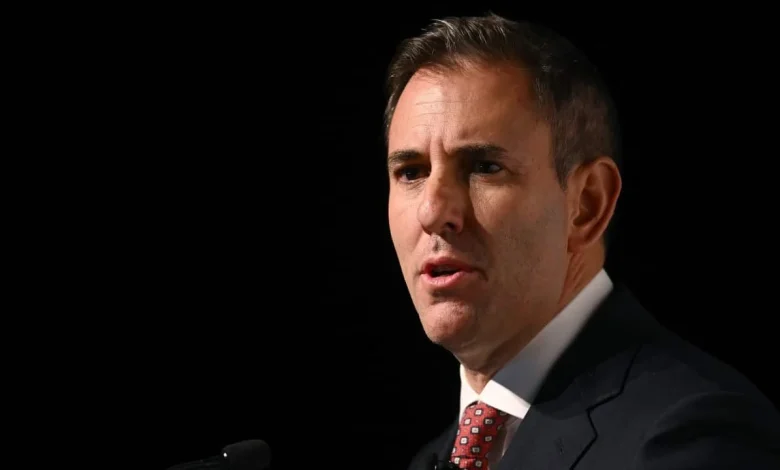
Treasurer Jim Chalmers said a recession is not something that the government is anticipating or expecting, even as federal modelling and market moves signal growing upside inflation risk and a higher chance of a March interest-rate increase.
Recession: What the Treasurer says and what markets are pricing
Verified fact — Treasurer Jim Chalmers said Treasury had modelled a number of scenarios on the economic impact of the Middle East conflict and did not expect a recession. Treasury modelling showed an expected hit to growth but “not the kind of dramatic contraction” that would constitute an economic crash, and scenarios were modelled where inflation might peak in the mid to high fours. These statements come from the Treasurer’s public remarks.
Verified fact — Market expectations shifted sharply: two weeks ago markets had been pricing roughly a one-in-ten chance of an interest-rate increase at the March meeting; following the regional escalation, that moved to about a two-thirds expectation. Reserve Bank deputy governor Andrew Hauser revealed in a recent podcast interview that the bank was more worried about high inflation than growth, a stance HSBC chief economist Paul Bloxham said markets interpreted as guidance that a hike in March is more likely than not.
Analysis — The tension is clear: public government modelling that does not foresee a recession sits alongside financial markets aggressively repricing the near-term policy outlook. That repricing raises the likelihood of tighter financial conditions irrespective of whether official forecasts show a contraction in activity.
How oil, conflict and inflation stack the odds on rates
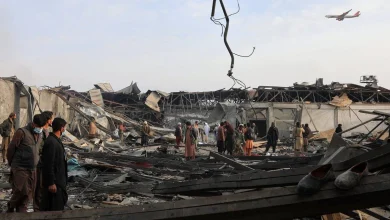
Verified fact — The conflict in the Middle East has disrupted oil flows through the Strait of Hormuz, with tankers ablaze in the Persian Gulf and the passage effectively blocked in segments. Analysts warned that benchmark oil prices could move above US$150 a barrel and push inflation farther from the Reserve Bank’s two-to-three per cent target. Inflation was already at 3. 8 per cent when these developments accelerated.
Verified fact — The Treasurer highlighted the source of volatility in forecasts: how long the regional conflict drags on. He described the shock as “very substantial” and noted uncertainty over how long the Strait of Hormuz would remain closed and how the February hike has affected consumers.
Analysis — Rising oil prices and an open-ended regional conflict create a scenario in which inflation momentum can accelerate quickly. That dynamic can compel a central bank to prioritise price stability over growth, prompting markets to price in hikes even when sovereign forecasts do not predict recessionary outcomes.
Budget pressure, policy choices and political stakes
Verified fact — Broader context statements indicate that inflation and the war increase pressure on the Budget. The shift in market expectations toward a higher probability of a March rate rise creates a material challenge for fiscal policymakers who must weigh cost-of-living and growth concerns against tighter monetary conditions.
Analysis — If markets are correct and the Reserve Bank moves to raise rates at its 2: 30pm ET cash rate announcement on Tuesday, the federal government will confront a narrower policy space. That dynamic is likely to force difficult trade-offs in forthcoming budget decisions as fiscal plans intersect with elevated inflation and more expensive borrowing costs.
Uncertainties — It remains unclear how long the regional conflict will last, how sustained oil-price pressures will be, and how recent tightening will pass through to households. These variables determine whether the economy avoids contraction even as inflationary risks and market pricing rise.
Accountability call — Given the divergence between Treasury’s expectation that a recession is not anticipated and markets’ growing conviction of a March rate rise, public transparency is essential. Decision-makers should lay out the assumptions behind Treasury modelling, the expected fiscal effects of higher inflation and rates, and the contingency plans if inflation peaks in the mid to high fours. That transparency will help the public understand whether the policy mix is sufficient to prevent recession while confronting mounting inflationary shocks.
Final note — For now, the government holds that a recession is not expected, but evolving market pricing and international volatility make that judgement contingent and worthy of clearer public explanation of the risks and trade-offs.