Nearly 90% of the UK’s 1. 2 billion chickens are fast-growing birds—but major chains including nandos have abandoned a science-based welfare pledge, joining an industry forum that permits those same breeds. That decision reframes the debate over animal welfare, affordability and supply chains.
What changed and what is the central question?
The central question is straightforward: what are companies choosing not to tell the public about the trade-offs embedded in their poultry sourcing policies? Verified fact: eight restaurant groups that together own 18 brands have formally withdrawn from the Better Chicken Commitment (BCC) and have joined the Sustainable Chicken Forum (SCF). The BCC carried a full compliance deadline of 2026 and is described as a science-based framework designed to address welfare harms associated with fast-growing breeds. The SCF allows the continued use of fast-growing chickens and has stated that focusing solely on slower-growing breeds can create knock-on impacts for the poultry supply chain.
Which companies left: Nandos and industry peers?
Verified facts:
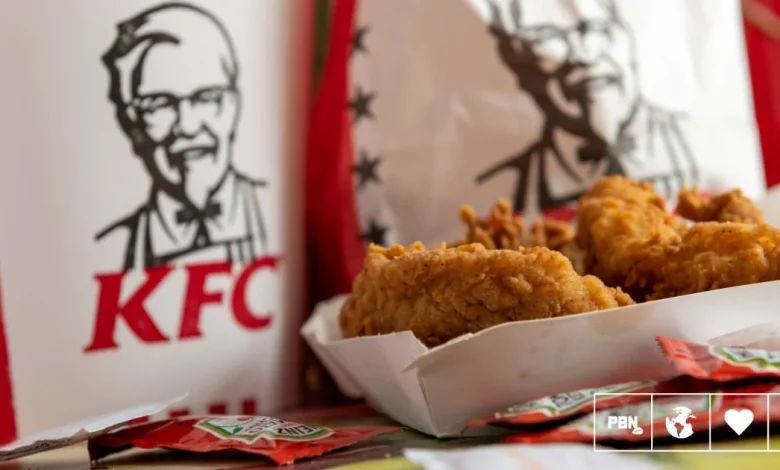
- Eight restaurant groups owning 18 brands have withdrawn from the Better Chicken Commitment; named brands among them include Nando’s and KFC.
- ChickenTrack 2025, a report published by Compassion in World Farming, evaluates 107 major signatories to the Better Chicken Commitment and notes that more than 410 companies have signed the commitment across Europe.
- ChickenTrack 2025 reports that 163 million chickens are already benefiting from welfare improvements and that the shift to slower-growing breeds remains the most difficult requirement for many companies.
These items frame the contradiction: a large and growing cohort of companies has publicly signed a science-based benchmark, while a separate set of restaurant groups—explicitly including Nando’s—has chosen an industry-led path that retains fast-growing breeds.
What are stakeholders saying, and how should the public interpret it?
Verified facts: Connor Jackson, CEO of Anima International, said the decision to leave the BCC was “about money and nothing else, ” and described fast-growing breeds as a major source of animal suffering. Claire Williams, campaigns manager at The Humane League UK, called the Sustainable Chicken Forum a form of welfare-washing designed to deflect criticism. By contrast, Hannah Cargill, contract production manager at Avara Foods, described reductions in stocking density and improved management on many farms and warned that breed changes alone are not the only route to better welfare; she emphasised concerns about feed use, land and affordability when moving to slower-growing birds.
Analysis: When these statements are viewed together they expose a three-way tension. First, animal-welfare advocates and some science-based frameworks treat breed transition as central to reducing suffering linked to rapid growth, lameness and higher antibiotic use. Second, industry actors aligned with the SCF frame the debate around supply stability, environmental knock-on effects and cost, arguing that management practices can deliver welfare gains without mandatory breed swaps. Third, food-security and affordability concerns are raised by those emphasising feed use and consumer prices tied to slower-growing systems.
Additional verified facts sharpen the stakes: Norway has announced a plan to phase out fast-growing breeds, and the country raises roughly 70 million chickens per year, a fact used by campaigners to argue that full transitions are achievable in some national supply chains. ChickenTrack 2025 documents both significant progress among retailers and uneven industry performance as the 2026 deadline approaches.
Accountability conclusion (verified fact + call): The choices made by companies—including Nando’s—require clearer public disclosure. Verified facts in the public record show both measurable progress under the Better Chicken Commitment and an organised industry alternative that preserves fast-growing breeds. Analysis points to a genuine trade-off between rapid breed transition and concerns about cost, supply and environmental inputs. Policymakers, corporate procurement teams and civil society should press for transparent timelines, independent welfare verification and published impact assessments that quantify animal welfare outcomes alongside environmental and affordability metrics.
For consumers and regulators alike, the question remains: will corporate statements be matched by verifiable changes on farms, or will the shift in commitments leave frankenchickens at the centre of mainstream menus—beginning with chains such as nandos?