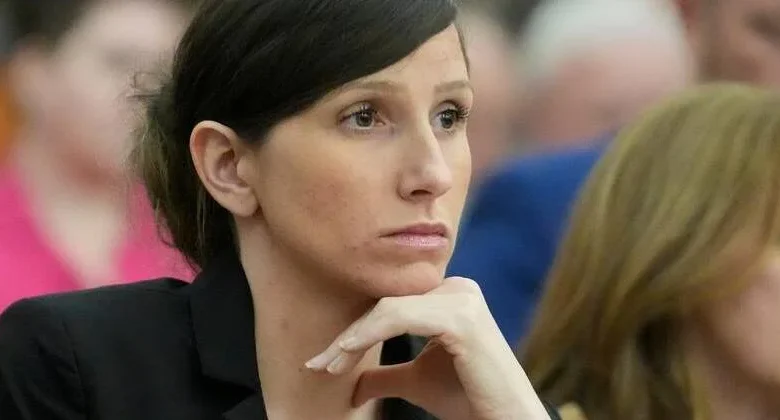
A jury that deliberated for about three hours found kouri richins guilty of killing her husband with a fentanyl-laced drink, a verdict that collides with the public image she cultivated after his death: the author of a children’s book about grief published just weeks before her arrest.
What did the jury find in the Kouri Richins trial?
Jurors returned guilty verdicts on aggravated murder and related counts after a three-week trial. They found that the victim died from a fentanyl-laced cocktail and that the defendant had earlier attempted to poison him with a fentanyl-tainted sandwich that left him ill. The jury also convicted on charges of insurance fraud and forgery. The most serious conviction, aggravated murder, carries a sentence of 25 years to life in prison.
Prosecutor Brad Bloodworth framed motive as financial and personal: he said she wanted to leave her husband but not his money. Prosecutors presented evidence they said showed she had accumulated millions of dollars in debt and had taken out life insurance on her husband while planning a future with another man. The jury heard that she fraudulently claimed insurance benefits after his death and that she falsely believed she would inherit an estate worth more than $4 million.
Defence counsel Wendy Lewis urged jurors to look for alternate explanations and emphasized the need for reasonable doubt. Richins did not testify; her defence team called no witnesses and rested without her taking the stand.
What evidence linked kouri richins to the poisoning?
Verified facts presented to the jury include messages and procurements documented in court filings. The court documents show that between December 2021 and February 2022 she texted a person previously arrested on drug charges asking for prescription pain medication. She acquired hydrocodone pills and then requested something stronger, using the phrasing “some of the Michael Jackson stuff” to describe fentanyl. Three days after allegedly obtaining drugs, the couple had a Valentine’s Day dinner; the husband fell ill and told a friend he believed he had been poisoned. Two weeks later, the court documents say, she acquired more fentanyl.
Prosecutors called more than 40 witnesses, including a woman who said she sold the drugs used to kill the husband. Evidence shown at trial included testimony tying fentanyl obtained by the defendant to the substances later found in the victim’s system, and testimony that an earlier sandwich incident had nearly killed him. The defence advanced a counterpoint that the husband had asked his wife to procure opioids for him and that other explanations should be considered.
What does the verdict mean for accountability, the bereavement narrative and next steps?
Verified fact: Richins was arrested in March 2023 and published a self‑help picture book about grief two months before that arrest; she had dedicated the book to her husband and presented it publicly as a tool to help children cope. The guilty verdict reframes that publication and the public-facing bereavement narrative the book carried.
Informed analysis: When the documented drug procurement, the insurance actions, the alleged extramarital relationship and the two separate poisoning incidents are viewed together, the pattern presented at trial is one of premeditation tied to financial and personal motives. The defence choice not to present witnesses or have the defendant testify left the jury to weigh the prosecution’s narrative against the absence of contradictory testimony.
Accountability measures moving forward are concrete: sentencing is scheduled, and convicted counts include aggravated murder, attempted aggravated murder, two counts of insurance fraud and forgery. The family of the victim was visibly affected by the verdict, and the legal timeline now shifts from fact-finding to punishment and restitution review.
Verified facts are stated above; the sections labeled informed analysis are reasoned readings of how those facts interact. Remaining uncertainties include the full evidentiary record that will be developed at sentencing and any collateral civil proceedings. For the bereavement community and the public, the clash between the book’s stated purpose and the jury’s findings will be part of the record when kouri richins is formally sentenced.