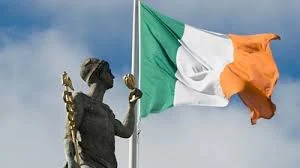
On a brisk afternoon in Dublin the city will pulse with green as st patrick festivities draw tens of thousands into a defined ribbon through the centre. The national parade will set off at noon from Parnell Square North, wind down O’Connell Street, cross O’Connell Bridge and finish at the Cuffe Street/Kevin Street junction after roughly two hours.
What will the St Patrick parade look like and who is leading it?
The parade’s theme this year is “roots” and the procession will include 12 large-scale floats and a roster of performers drawn from established street-theatre and carnival groups. Named participants include Macnas, Bui Bolg, Spraoi, Inishowen Carnival Group, Curious State, Volkidana, The Outing Queer Arts Collective, Artastic and ArtFX, together with new entries from Lumen Street Theatre and Show CoMotion. The event will be broadcast live on RTÉ 1 with coverage beginning just after midday.
Vogue Williams, described in parade materials as a podcast presenter and Howth native, serves as grand marshal. She framed the role as a personal milestone: “Growing up in Dublin, St Patrick’s Day has always been a special time for me and leading the parade through the city is something I’ve always dreamed of, ” she said, adding that the “roots” theme lets her celebrate Irish creativity and storytelling.
How are authorities and organisers managing crowds and travel?
An Garda Síochána has issued practical guidance for those attending, urging people to choose a viewing area along the route in advance, arrive early and plan their journey into the city. The guidance emphasizes use of public transport or park-and-ride facilities where possible, close supervision of children, and carrying contact details for a responsible adult in case of separation. Attendees are asked to pack sensibly, watch their belongings and follow the instructions of gardaí and stewards.
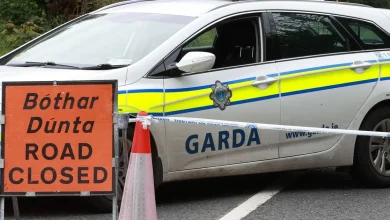
Operational measures will include rolling road closures and traffic restrictions across the city centre from early in the day, with parking prohibited along the parade route and vehicles liable to towing. General traffic will be diverted the North and South Circular Roads for the duration; local access and egress to affected streets will be facilitated but no vehicles may enter the route while closures are in place. Gardaí will maintain a high-visibility policing operation in the city after the parade as crowds disperse.
How are other Irish cities marking the day and what about visitor numbers?
Parades are planned beyond Dublin. Cork will stage a parade beginning from South Mall, Kilkenny will start its route at John’s Priory, and Galway’s event, themed around legends and rising stars, will start from University Road. In Dublin, a separate community event by the mental health charity Aware will run a 26km Harbour2Harbour walk between Howth and Dún Laoghaire.
The weekend has also seen significant travel activity: around 950, 000 people have been travelling through the main Irish airports over the busy period to celebrate St Patrick’s Day, attend sporting fixtures or travel on to other events. That surge has helped concentrate visitors in the cities hosting parades and added strain to transport and crowd-management plans.
For attendees, organisers and city services the combined challenge is practical: make space for celebration while keeping people moving and safe. The advice from organisers and An Garda Síochána aims to smooth dispersal and reduce the chance of separation or congestion once the floats have passed chosen viewing locations.
Back at Parnell Square North, where the parade will begin, the first watchers arriving early will see placement of barriers, stewards taking positions and the advance rumble of bands warming up. For many locals and visitors alike the day will be about more than spectacle: it is a communal claim on a city street, a lived expression of roots and return. As the last float reaches Cuffe Street and the crowds start to thin, questions will remain about how to manage future surges of visitors and how to preserve the intimacy of a city celebration when it is shared by so many.