The unexpectedly muted debut of the apple airpods max 2 frames this release as more evolutionary than revolutionary. Priced at $549 and offered for preorder beginning March 25 with shipments starting in April, the model pairs a familiar aluminum chassis and the same bulky case design with a new H2 chip, an upgraded amplifier and a raft of software-driven features such as Live Translation and Adaptive Audio.
Apple Airpods Max 2: What changed — and what stayed the same
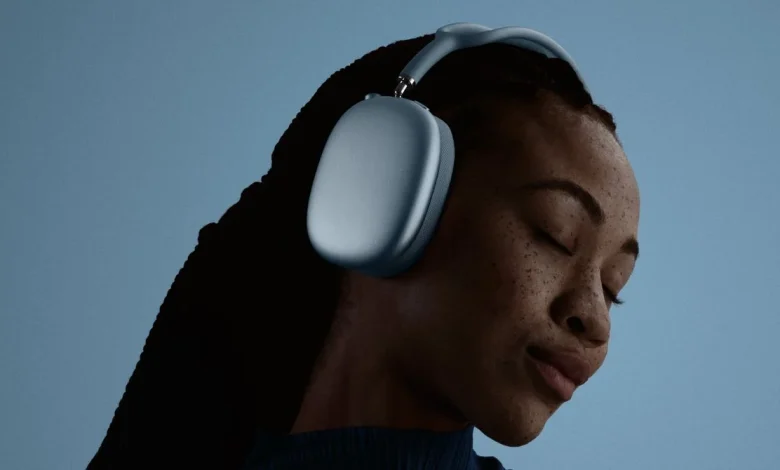
The new headphones retain the original Max silhouette, including the heavy aluminum construction and the contested rubberized case that provides limited travel protection. Physically, weight remains unchanged from the first generation. Apple bundled an H2 system-on-chip — the same silicon used in recent pro-level earbud models — and a redesigned amplifier that the company says delivers noise cancellation that is “1. 5x more effective” and “cleaner sound” with stronger spatial audio support. The H2 also unlocks software features such as Voice Isolation, Conversation Awareness, Adaptive Audio and Live Translation. For listeners preferring wired lossless playback, wired lossless is supported at up to 24-bit/48-kHz on compatible devices.
Why this update matters: market context and the competitive landscape
In a market that has seen multiple generational refreshes from key rivals, Apple’s approach feels deliberately incremental. Competing manufacturers have released several major revisions in recent years, advancing noise reduction, portability and hardware refinements. Against that backdrop, the apple airpods max 2 read as a focused technical refresh concentrated on chipset-driven improvements rather than a broader hardware rethink: new silicon and features without a clear redesign of the headset’s known ergonomic and travel shortcomings.
Pricing holds steady at $549 in the U. S., even as regional retail adjustments have been made elsewhere. That positioning leaves potential buyers weighing whether improved active noise cancellation, updated spatial audio and translation features are sufficient upgrades given the unchanged case design and continued bulk of the chassis.
Analysis, expert perspectives and the outlook
Apple’s own framing centers on the H2 chip as the fulcrum of the Max 2’s improvements. The company positions the chipset and amplifier as delivering measurable gains in cancellation and audio clarity, while the software suite aims to modernize how the headphones adapt to calls, conversation and multilingual environments. Institutional claims include the statements that noise cancelling is “1. 5x more effective” and that the amplifier delivers “cleaner sound. “
Industry context cited in contemporaneous coverage highlights that rival lines have seen more frequent and substantive hardware updates, and that some competitors now lead on both portability and raw noise-canceling power. That contrast shapes the critical view that the apple airpods max 2 may be a strategically timed refresh: enough to keep the flagship relevant but not a decisive leap forward in a crowded segment.
For consumers, the practical questions are tangible: do the H2-driven features, improved spatial audio and wired lossless at up to 24-bit/48-kHz justify the $549 outlay, given the unchanged travel case and heavy chassis? Early observations emphasize the trade-off between Apple’s polished software suite and the absence of a meaningful hardware redesign.
Looking ahead, the release sets a tone for Apple’s product cadence in high-end audio: incremental silicon-led gains combined with headline-grabbing features rather than wholesale reinvention. Whether that strategy reclaims ground from competitors who have iterated more aggressively will depend on user experience with noise cancelling, spatial audio fidelity and the real-world value of features like Live Translation once the apple airpods max 2 reach customers.
Will buyers prioritize the refreshed internals and software polish, or will a lack of structural renewal push them toward rival models that have evolved more substantially? The question now is whether Apple’s quieter sequel can translate modest engineering gains into market momentum.