Back to the Future Actor Matt Clark Dead at 89: Six Decades, Westerns and a Life ‘On His Terms’

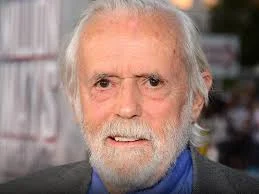
Matt Clark, an actor whose career spanned six decades, died at his Austin, Texas, home from complications after back surgery. The Army veteran built a body of work that ranged from a second-film appearance in the 1967 Sidney Poitier picture In the Heat of the Night to a string of Westerns and a recognizable supporting turn as the bartender in Back to the Future III. His family described him as an ‘actor’s actor’ who felt ‘lucky’ about his career and ‘died the way he lived, on his terms. ‘
Matt Clark’s Career in Westerns and Beyond
The trajectory laid out by Clark’s credits points to a steady, specialized presence in American cinema. After his early role in In the Heat of the Night, Clark followed with a run of Westerns that became a throughline: The Cowboys with John Wayne, Jeremiah Johnson with Robert Redford, The Life and Times of Judge Roy Bean with Paul Newman, Sam Peckinpah’s Pat Garrett and Billy the Kid, and The Outlaw Josey Wales opposite Clint Eastwood. Decades later he even appeared in a Western spoof, A Million Ways to Die in the West, illustrating a career that returned to familiar terrain while adapting to changing tones and genres.
On television, Clark accumulated guest roles on long-running series, including Bonanza, Kung Fu and Dynasty, signaling the dual path of character actors who sustained themselves across both film and episodic work. That cross-medium presence helped secure roles like the bartender in Back to the Future III, a part likely to be his widest-remembered pop-culture association.
What Lies Beneath: Causes, Implications and Ripple Effects
Clark’s six-decade career and choice of roles reflect a model of longevity formed through specialization and reliability. His repeated casting in Westerns suggests casting directors and filmmakers saw him as a dependable contributor to a genre that values weathered authenticity. The immediate cause of his death—complications after back surgery—frames a final chapter that intersected medical risk with an advanced career milestone rather than a sudden disappearance from the public record.
For the industry, Clark’s passing underscores the often-unseen architecture that supports marquee names: character actors who populate films and television over long stretches, providing continuity and tonal grounding. His mix of high-profile films and steady television work models a route for actors who neither chase celebrity nor abandon craft, opting instead for sustained employment and creative collaboration.
Family Perspective and Legacy
His family encapsulated his professional temperament, saying Matt Clark was an ‘actor’s actor’ who loved and respected the job and was not concerned with stars and fame. They noted he was impressed when working with good people who loved their families and that he felt ‘lucky’ about his career. That self-description, offered by those closest to him, frames a legacy centered on craft and personal priorities rather than public accolades.
As a final note of legacy, Clark’s filmography provides a compact study in how a performer can remain relevant to both genre traditions and contemporary reinterpretations of those traditions. His body of work will serve as reference points for casting, for historians tracing the persistence of the Western, and for younger actors plotting long careers in ensemble and supporting roles.
How will the industry reckon with the quiet but essential contributions of performers like Matt Clark, and what lessons will emerging actors draw from a life defined by steady work and personal resolve?