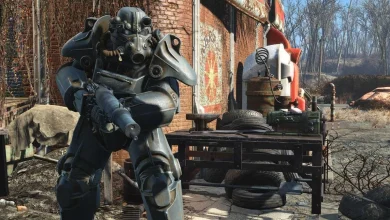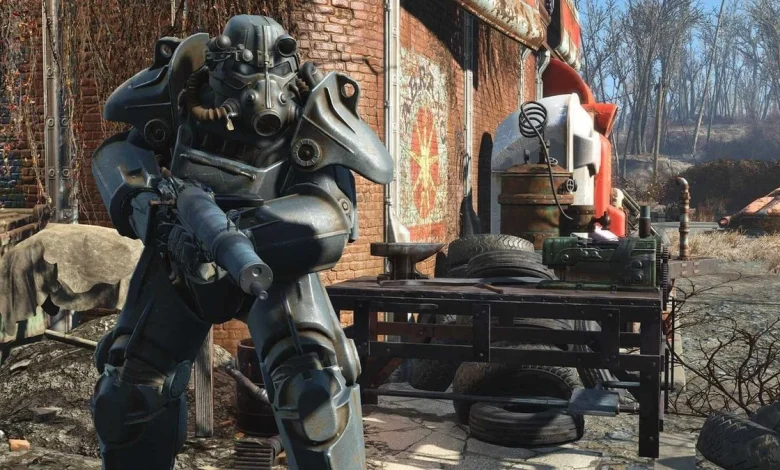
When media veteran Jeff Gerstmann spoke on his podcast about a recently developed effort inside Microsoft, he said an internal team had been building a new fallout title that he believes “is no longer going to see the light of day. ” The revelation landed amid long-running expectations that Bethesda and its lead, Todd Howard, will steer the franchise’s future.
What happened to the Fallout project at Xbox?
Gerstmann said the project was handled by one of Microsoft’s internal Xbox Game Studios teams and that it appears to have been canceled. “There was a Fallout thing in development at another Microsoft-owned studio that I think is no longer going to see the light of day, ” he said, describing the work as separate from Bethesda Game Studios. He added that, in his view, “Todd Howard and the Todd Howard team probably has a pretty firm grasp on what they want to do with those specific franchises. “
That disclosure raises two linked facts that observers are weighing: Microsoft had an internal effort to expand the franchise without Bethesda’s direct participation, and that effort now seems halted. Gerstmann did not provide production details or name the studio involved, and commentary within the industry has included cautious speculation about which internal studio might have been involved; no concrete evidence identifying the team was shared.
Why does this matter for Bethesda, Microsoft, and players?
The stakes are practical and reputational. Gerstmann suggested that Bethesda will likely remain central to new mainline projects: “new games I think will probably come from that brain trust [Bethesda], ” he said, and he indicated remakes and remasters have been outsourced elsewhere. The last major new mainline release referenced in conversation is Fallout 76, launched in 2018, which did not win universal favor among longtime players.
For Microsoft, the canceled internal project illustrates the challenges of coordinating large, beloved franchises across multiple studios. For Bethesda, the comments underline continued expectations that its leadership—linked publicly with Todd Howard—will define the series’ direction. For players, the announcement underscores a familiar tension: strong demand for fresh experiences in the franchise, set against slow or fragmented development paths.
Gerstmann framed the situation as a mix of strategic choices and production realities. He also said Bethesda likely will staff up to complete the projects it wants to own directly and that some remake efforts have been assigned to outside teams rather than handled in-house.
Responses inside communities were immediate and pointed to long-term impatience with long development cycles. The cancellation claim feeds a broader debate about how major companies manage high-profile intellectual property across studios and the trade-offs between centralized control and outsourced development.
Steps already described in public remarks are modest but concrete: Microsoft has experimented with internal development on franchise entries; some remake work has been delegated to other developers; and Bethesda’s leadership is still seen as the likely source for any future mainline releases.
Back on the podcast, Gerstmann also noted that he did not reveal specifics beyond the broad outlines of what he’d heard, and observers have urged caution in treating the account as definitive. The situation remains unresolved: a developed project that reportedly existed within Xbox Game Studios now appears canceled, while Bethesda and its leadership are still expected to define the franchise’s next major moves.
Weeks after the initial revelation, the image is both clearer and more tentative: an internal attempt to expand the brand without Bethesda was pursued, then abandoned, and the primary hope for new, widely embraced entries rests with Bethesda’s team. That leaves fans and industry watchers returning to the original moment of disclosure, wondering whether the next chapter for the franchise will come from within Bethesda’s walls or from elsewhere — and what it will mean for the future of fallout.