On a humid afternoon at a Midwest distribution center, a dock supervisor flips through a manifest while delivery trucks idle outside; the conversation drifts quickly to uncertainty over imports and pricing as trump tariffs again top the administration’s economic agenda. The new investigations announced by U. S. trade officials reach into the flow of goods on docks like this one, threatening to reshuffle costs for exporters, manufacturers and workers.
What countries are included in the probe into Trump Tariffs?
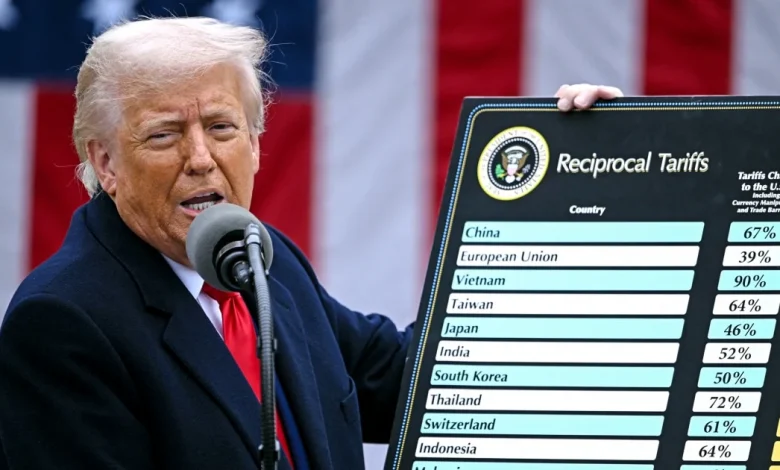
The Office of the U. S. Trade Representative has opened formal Section 301 investigations that name a broad group of trading partners. The list includes the European Union, China, India, Japan, South Korea, Mexico and multiple Southeast Asian and European economies: Vietnam, Thailand, Malaysia, Cambodia, Singapore, Indonesia, Bangladesh, Switzerland, Norway and Taiwan. Canada, the United States’ second largest trading partner, is not named in the action.
What are officials saying and what legal tools are they using?
U. S. Trade Representative Jamieson Greer framed the probe as a response to structural patterns in some partner economies. “These investigations will focus on economies that we have evidence appear to exhibit structural excess capacity and production in various manufacturing sectors, such as through larger, persistent trade surpluses or underutilized or unused capacity, ” Greer said. He added, “The United States will no longer sacrifice its industrial base to other countries that may be exporting their problems with excess capacity and production to us. “
The probe uses Section 301 of U. S. trade law as its legal basis and could lead to new import levies on goods from countries found to engage in unfair trade practices. The move follows a Supreme Court decision that struck down earlier, country-specific tariffs; the administration then implemented a temporary, global 10% tariff under Section 122 of the Trade Act of 1974. Officials have signaled an intent to complete the Section 301 investigations before that temporary tariff expires, a period tied to a 150-day limit cited by trade authorities, and to consider higher rates that have been discussed publicly.
What could this mean for workers, manufacturers and the diplomatic balance?
Factory managers and dockworkers worry first about costs and demand: new levies can raise input prices, alter supply chains and prompt buyers to shift sourcing. Executives involved in international contracts must weigh potential tariff risk while negotiating. At the same time, diplomats and trade ministers are preparing for tense exchanges—U. S. and Chinese officials are set to meet in Paris, a step that could set the stage for higher-level discussions between the presidents of the two countries.
The policy rhetoric has been stark. After the court decision invalidated many of the earlier levies, the president described the ruling as “terrible” and called the justices who rejected the policy “fools, ” language that has intensified political pressure around trade strategy. Other U. S. officials are taking complementary actions: Treasury Secretary Scott Bessent granted India a 30-day waiver to buy Russian crude as a “stop gap measure, ” and trade ministers from partner countries are engaging Washington on the future of bilateral and regional arrangements.
How is Washington responding and what are the next steps?
The administration is pursuing a two-track approach: maintain a temporary global tariff while using Section 301 investigations to build case-specific findings that could justify targeted duties. U. S. trade officials have said they hope to reach conclusions ahead of the expiration of the temporary tariff, and investigations could lead to new levies by this summer. The probe is also being positioned as a mechanism to rebuild a credible tariff threat following the Supreme Court ruling.
At the same time, trade talks and bilateral meetings are continuing. One immediate consequence is heightened diplomatic engagement as partners prepare official protests and seek clarifications about sectoral focus and timelines. Canada’s omission from the targeted list was noted by observers and trade officials as a distinguishing detail of the announcement.
Back at the loading dock, supervisors tally shipments and try to plan for another unknown: whether costs will be settled by tariffs, negotiations or new sourcing choices. For the workers stacking crates and the managers pacing supply chains, the investigations and the shadow of trump tariffs mean more than a policy debate—they represent a living economic risk that will be felt in payrolls, purchase orders and the next contract round.