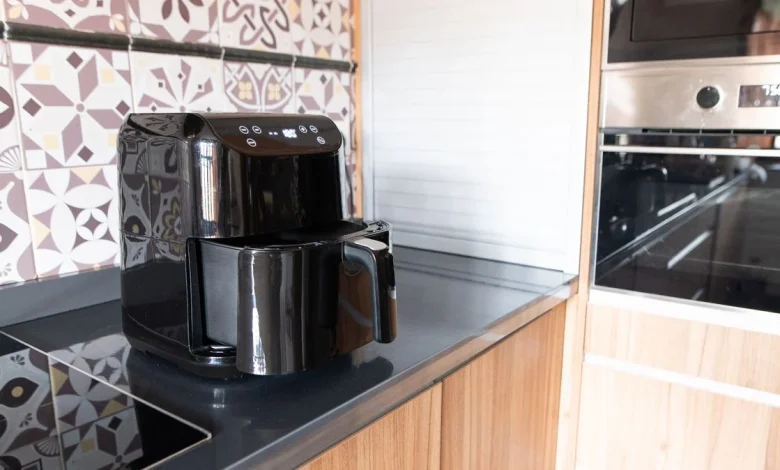
This tower air fryer recall is an escalation of a safety action first begun last year: regulators and the manufacturer now say six Tower air fryer models must be stopped from use immediately because of a potential fire hazard. Owners are being asked to check model numbers on the appliance label, unplug any affected units and follow the manufacturer’s instructions for refund or replacement. The recalled units were manufactured between January 2022 and April 2023.
Tower Air Fryer Recall: What owners must do now
Regulatory warnings center on a specific risk: the product can overheat and ignite during use. The UK’s Office for Product Safety and Standards (OPSS) said, “The product presents a risk of fire as it can overheat and ignite during use. The product does not meet the requirements of the Electrical Equipment (Safety) Regulations 2016. ” The OPSS added, “The product has been recalled from end users. Owners of affected products should stop using the product immediately and unplug it. “
The manufacturer has asked owners to verify the rating label on their appliance — located at the base of the unit — and to upload a photograph of that label, together with email, telephone number and address details, in order to confirm whether the appliance is part of the recall and to receive instructions for refund or replacement.
Background and scope of the tower air fryer recall
Regulators and the company have positioned this as a stepped response. A consumer protection authority had issued a recall last year for four Tower air fryer models; the latest announcement adds two more models, bringing the total to six. The affected units were manufactured between January 2022 and April 2023 and have been sold widely through retail chains and online outlets.
Retail footprints identified include multiple well-known high-street and discount retailers as well as the manufacturer’s own online platform. The combination of broad retail distribution and the time window for manufacture means many consumers could be holding affected appliances in homes across the region.
Deep analysis: causes, implications and ripple effects
The stated technical problem is overheating that can lead to ignition during use, a failure that places the product outside the Electrical Equipment (Safety) Regulations 2016. That legal framing has three implications. First, it creates an immediate consumer-safety imperative: owners must cease use and isolate affected units. Second, it sets the stage for a regulatory remedy that goes beyond guidance and into mandatory product withdrawal from end users. Third, it creates logistical demands on the manufacturer and retailers to process refunds or replacements for a dispersed customer base.
Operationally, the process required of owners — verifying the model the rating label and uploading a photograph along with contact details — concentrates risk mitigation into a traceable workflow. For households, the practical challenge will be locating the rating label and completing the online validation process to establish eligibility for refund or replacement.
Expert perspectives and official statements
The OPSS provided a clear safety warning: “The product presents a risk of fire as it can overheat and ignite during use. The product does not meet the requirements of the Electrical Equipment (Safety) Regulations 2016. ” The OPSS further instructed owners that “the product has been recalled from end users. Owners of affected products should stop using the product immediately and unplug it. “
In a company statement the manufacturer said, “your safety is out top priority, ” and announced a voluntary recall, inviting affected customers to complete an online form so the company can confirm whether an appliance is included and then arrange a refund or replacement.
Regional consequences and consumer implications
The recall affects buyers across the jurisdictions where the product was sold; the distribution list spans major retail outlets and the manufacturer’s online shop. That mix of retail channels increases the scale of the consumer outreach operation required to identify and remediate affected appliances. For consumers, the immediate steps are unambiguous: cease use, unplug the appliance, check the rating label, and follow the manufacturer’s process for confirmation and remediation.
With six models now in scope of this action, the tower air fryer recall underscores how product-safety oversight and manufacturer responses interact when an electrical fault presents a direct fire risk to households. The recall process will test the speed of communications between regulators, retailer networks and the manufacturer as customers seek refunds or replacements.
How quickly will affected households locate labels, complete verification and be made whole — and will the process reveal any wider manufacturing or supply-chain issues that merit further regulatory scrutiny?