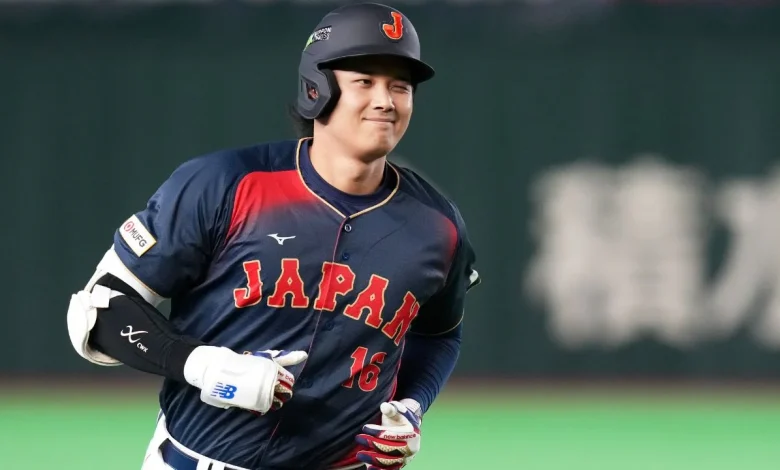
Under the bright lights of the Tokyo Dome, batting practice felt like a show: Shohei Ohtani took about 25 swings, sent close to 10 balls over the outfield fence and kept tens of thousands waiting as cameras crowded the penned-off area. In the very first game of Pool C, the baseball world classic opener became a rout as Japan hammered Taiwan 13-0, the contest ended early under the tournament mercy rule.
What happened in the Tokyo Dome?
Shohei Ohtani doubled on the first pitch of the game and followed with a grand slam in a 10-run second inning that set the tone. Japan scored 13 runs and the game was called after seven innings under the mercy rule. Yoshinobu Yamamoto was the starting and winning pitcher; Japan added more runs in the third and never looked back. Attendance swelled — fans filled the stands for batting practice and the game itself — and celebrities were in the crowd, drawing added attention.
How did the Baseball World Classic opener become a 13-0 rout?
The second inning changed everything. Ohtani’s grand slam came on a low, outside pitch and ignited a half-inning that produced double-digit scoring. Japan’s offense piled up runs quickly; the half-inning lasted only minutes but shifted momentum decisively. Pitching depth helped seal the victory: Yamamoto worked through the early frames before being relieved, and Japan’s bullpen finished the shutout. The opposing side managed just a single hit late in the game, leaving Taiwan unable to claw back into the contest.
What did fans and players say — and what comes next?
Fans who had traveled long distances were emphatic about what they came to see. Lia Chan, who flew in from Singapore with her husband How and other family members, sat a few rows behind home plate and said, “And baseball is not even popular in Singapore. We know about baseball, we watch it, but when Ohtani came along it’s just gone out of proportions. ” The spectacle began well before the first pitch: Ohtani emerged late for batting practice, greeted teammates and fans, and drew a chorus of cheers as he prepared.
Shohei Ohtani spoke to the crowd after the game: “I knew it was going to leave the park right away after I hit it. It’s important to score first. ” He bowed and thanked supporters, adding that if fans and the team come together and cheer it will encourage them: “So please support us. ”
Yoshinobu Yamamoto, the starting and winning pitcher, reflected on the difficulty of getting the first run and credited Ohtani with supplying the momentum: “This was our first game of the tournament and to score the first run is always difficult. But Shohei hit a huge home run to give us the momentum. So I tip my cap to him. ” Yamamoto’s voice carried the perspective of a specialist on the mound; his early innings helped set the defensive tone that preserved Japan’s runaway lead.
Beyond the players, the crowd included high-profile attendees whose presence underscored the pull of the event. Thousands packed the dome for batting practice alone, with attendants asking fans to watch from their seats as the on-field area filled with media and camera equipment.
Japan will carry the win forward into its next game in pool play. Other Pool C action that day included a victory by Australia in its match, underlining the competitive rhythm of the tournament as teams move through the early rounds.
Back where the night began — in the stands as batting practice turned into a spectacle — the image of fans cheering, cameras flashing and Ohtani tipping his cap lingered. For Lia Chan and others who traveled far, the moment felt like a rare, collective exhalation. As teams regroup and Japan advances from its opening blowout, the baseball world classic has already delivered the kind of electric start that will be remembered long after the Dome lights dim.