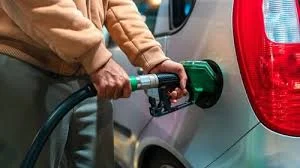
A 60 per cent spike in home heating oil in under a week has arrived alongside sharp retail increases at the pumps, leaving diesel fuel prices averaging higher nationally and breaching €2 a litre at some outlets. National averages for petrol and diesel have risen modestly month on month even as local charges top 200. 9 cent and 202. 9 cent a litre in identified stations, setting up a collision between public pressure for relief and governmental caution about setting policy precedents.
What is not being told? Where the public lacks answers
The central question is simple: why did prices climb so quickly, and who will explain the structure that produced those spikes? The Government has signalled concern about the speed of increases and has tasked a regulatory body to investigate pricing behaviour. Minister for Enterprise Peter Burke is meeting representatives of the fuel industry to seek explanations of their pricing structures. The Competition and Consumer Protection Commission has been assigned an investigatory role. At the same time, the Government has signalled it will not immediately replicate previous emergency supports for fuel used after another geopolitical shock, a move that leaves consumers asking whether relief will be offered and on what basis.
Evidence and who benefits: Diesel Fuel Prices on the rise
Measured data and named commercial outlets depict the scale of movement. The AA records national average fuel prices that moved from January levels — petrol 170 cent and diesel 169 cent per litre — to February averages of petrol 173 cent and diesel 172 cent per litre. Local retail points are significantly higher: one filling station in Newbridge reported 199. 9 cent a litre for both premium petrol and diesel; another outlet identified as Certa in Cahergowan/Summerfield, Claregalway, was recorded at 202. 9 cent a litre for diesel. A small sample of other named sites shows a pattern of premium pricing at Applegreen, Top, Top Oil and other branded stations in multiple counties.
Two dynamics are evident from the documented material. First, wholesale conditions shifted quickly after a major regional military action that disrupted transit routes for a substantial portion of global oil. Second, the fiscal outcome for the Exchequer changed alongside wholesale and retail prices: the Government’s take from fuel rises in percentage terms as pump prices increase, a point explicitly noted in policy discussion. That creates an incentive tension — citizens facing higher bills at the pump while the public purse also benefits from higher fuel tax receipts.
What must be done now? Accountability and next steps
Verified fact: ministers have asked industry representatives for explanations and a statutory regulator has been given an investigatory remit. Verified fact: national averages and named retail prices show the rapid movement consumers are experiencing. What remains unresolved and requires prompt publication are the pricing breakdowns the meetings and investigations are meant to produce — wholesale cost movements, supply-route impacts, retail margins and any exceptional charges applied by individual outlets.
Public policy options laid out in the material are constrained by precedent concerns. The Government recalls an earlier emergency excise duty cut used after a prior major geopolitical shock, and that memory is shaping current reluctance to automatically deploy a universal relief package. At the same time, documented price peaks at named stations and the AA averages create a clear public case for transparency: a regulator’s report that quantifies margin movements, and a ministerial statement that sets objective criteria for any targeted relief, would address the accountability gap.
Verified analysis: a combination of disrupted transit routes for oil, documented wholesale effects and rapid retail adjustments has produced the observed price pattern. The immediate remedies available — a one-off excise cut, targeted support, or regulatory sanctions if unjustifiable margins are found — should be evaluated against objective evidence from the Competition and Consumer Protection Commission and the explanations offered by industry representatives at the meeting led by Minister Peter Burke. The public must see those records to judge whether intervention is warranted and proportionate.
Action demanded: publish the regulator’s findings promptly, require industry disclosure of the components of pump pricing where extraordinary movements occurred, and set transparent criteria for any fiscal relief so that future decisions are not driven by ad hoc precedent. With national averages and local spikes already visible, the measure by which policymakers are judged will be clarity and speed — not rhetoric. The country needs those answers now, because for millions of households and businesses the immediate problem remains unchanged: rising bills and opaque diesel fuel prices.