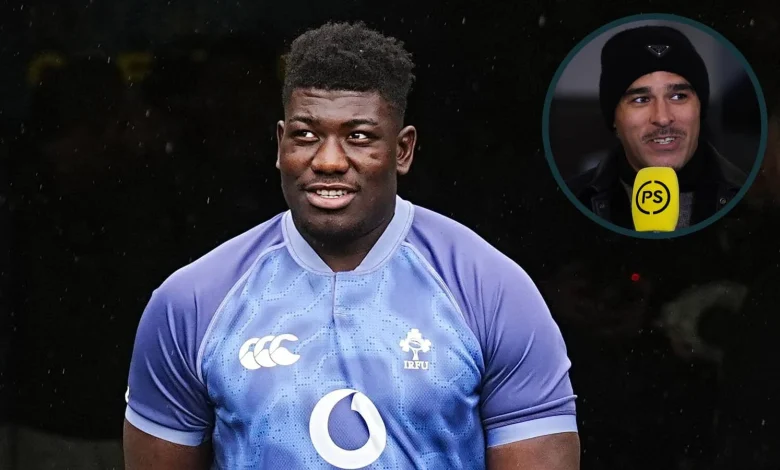
simon zebo watched the aftermath of a Six Nations weekend unfold not on the pitch but in supermarkets and side streets of Dublin, where passers-by told him they had been upset by racist and abusive messages aimed at young players after Ireland’s win over Italy. He posted a supportive image of debutant Edwin Edogbo with the words “My man” and an Ireland flag emoji, and has since urged that the online attacks should not define the competition.
Simon Zebo’s immediate response: anger, support and a plea
Simon Zebo, working in punditry in Edinburgh, described what he saw as “a blight on the day” after social media abuse targeted Edwin Edogbo and other Ireland players. He said, “People were upset, ” and that the incident “really annoyed me. ” Zebo called social media “a weird old place” and said players are likely better off keeping away from it. He added, “Hopefully it was a one-off, and we’re talking about the rugby going forward. ”
His public show of solidarity — the photo and short message for Edwin Edogbo — came after Ireland’s head coach Andy Farrell felt it necessary to speak out against trolls who targeted Edogbo with racist insults and directed abuse at fly-halves Sam Prendergast and Jack Crowley. Zebo’s remarks picked up on that tone: while angry, he framed his reaction as a call to focus on the game rather than the online noise.
What the moment reveals about the tournament and the teams
The incident in Dublin has arrived amid a round of selection changes and high stakes in the Six Nations. Andy Farrell has made five changes to his side following a record win over England, while other nations prepare for crucial matches. Zebo offered a sharp assessment of England’s performance against Ireland, saying the team “could have been way better” and that players had shown “zero energy” at times. He went further, predicting that Italy will beat England in Rome and that such a result would increase pressure on England head coach Steve Borthwick.
On the broader tournament picture, Zebo identified France as the red-hot favourites and expected them to win their next fixture at Murrayfield by a clear margin. He pointed to Italy’s recent form — having beaten Scotland and narrowly missing out in Dublin — as signs that the Italians will be dangerous at home and capable of upsetting England.
Voices from the game: selection, development and breakdowns
Gordon D’Arcy offered a technical perspective on the same weekend, highlighting Ireland’s breakdown dominance at Twickenham as a foundation for continued success. He wrote that giving Nick Timoney a starting role at seven presented an opportunity for the pack to impose itself and that the breakdown could be a point of difference moving forward. That tactical view complements Zebo’s focus on intensity and effort as decisive factors in top-level matches.
Commentary elsewhere has stressed the need for squad depth and game-time experience for fringe players, with coaches using this phase of the Championship to test options and build resilience under pressure.
Responses on and off the field
Immediate responses to the abuse have included public support from teammates and figures within the game, and vocal condemnation from management. Zebo’s choice to post a message of solidarity for Edwin Edogbo was one visible act of response; team leadership has also addressed the matter publicly. On the field, coaches are responding with selection changes intended to develop depth and sustain performance, while players and pundits continue to debate accountability and standards of conduct online.
Back on the streets of Dublin, where the weekend’s celebrations and conversations lingered, simon zebo’s hope that the abuse was a one-off remains a quiet challenge: can the tournament refocus on rugby and protect the young players who carry both the game’s future and, at times, its burdens?