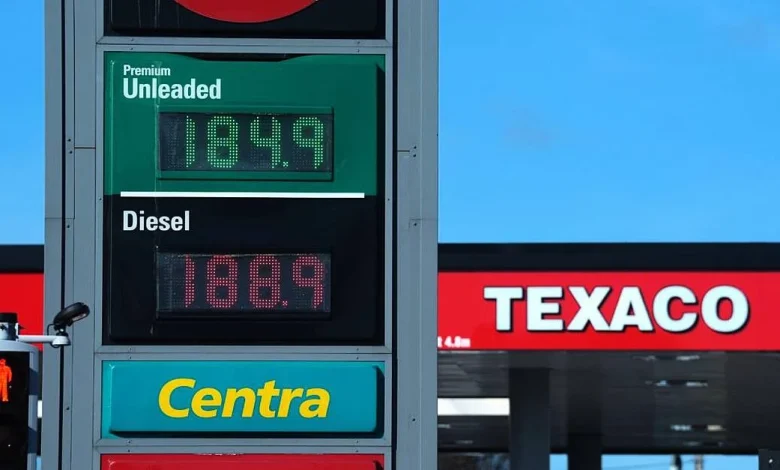
The Home Heating Oil Price Increase has accelerated into a sudden consumer crisis: 500 litres moved from an average price of €498 to €798 in days, a roughly 60% spike that has prompted an immediate regulatory probe and sharp public outrage.
How did the Home Heating Oil Price Increase happen so fast?
Verified facts: international conflict tied to an escalation in regional military strikes has been cited in coverage as a trigger for market volatility. The increase in the price of heating oil has been dramatic: the cited price movement for 500 litres rose from €498 to €798, a 60% jump in under a week. Politicians and elected representatives described the change as effectively doubling costs for some households. A forecourt operator, Caoimhe Maloney of Kavanagh Fuel in Urlingford, Co Kilkenny, said cost to purchase fuel had significantly increased and that “nobody is making any money out of it, ” noting an observed rise of eight cents per litre on many days and expressing fear retail petrol prices could exceed €2. 02 per litre.
Named responses: Peter Burke, Minister for Enterprise, has tasked the Competition and Consumer Protection Commission (CCPC) to open an immediate investigation into possible price gouging. Kevin McPartlan of Fuels for Ireland, the industry’s umbrella group, said the accusations of gouging were unfounded and characterized calls for an investigation as performative. TDs have urged government action to help citizens facing what they called “outrageous” costs.
Who benefits, who is implicated, and what happens next?
Verified facts: the Government’s Energy Security Group continues to engage with the sector. The CCPC has a mandate to protect consumers and ensure competition law compliance and has been given specific examples by the enterprise minister of where prices rose markedly without reflection in international markets. Industry representatives indicated willingness to cooperate with investigators and to encourage members to do the same. Separately, an ECB policymaker, Joachim Nagel, said the bank was monitoring surging energy costs extremely carefully and that a prolonged conflict could force broader monetary responses if price climbs intensify.
Analysis: viewed together, these elements create a three-part public problem. First, volatility in global supply and security dynamics can transmit rapidly to domestic retail prices, producing concentrated pain for households outside urban gas networks that rely on oil. Second, the political reaction has moved quickly from outrage to formal inquiry, placing regulatory scrutiny on wholesale and retail pricing behavior. Third, industry pushback—represented by Fuels for Ireland and individual operators—frames much of the public debate as a tension between market-driven price swings and potential opportunism at the point of sale.
Accountability measures already in motion are narrow but consequential. The CCPC investigation is an immediate mechanism to test whether price movements reflect global supply pressures or domestic pricing practices. The minister has provided the regulator with specific examples for review, and industry participants have signalled cooperation. Meanwhile, retail workers have been repeatedly defended by the minister as inappropriate targets for consumer anger, with a call to end abuse of forecourt staff.
Forward look and recommendation: transparency will determine whether the spike is an unavoidable market shock or a case of excessive retail margining. Public trust hinges on timely disclosure from companies and prompt, evidence-based findings from the CCPC. The Energy Security Group should publish the data and examples given to regulators where feasible, and industry bodies should make transaction-level explanations available to investigators to expedite clarity for affected households. The state must also protect retail employees from abuse while the inquiry proceeds.
As the CCPC investigates and industry engagement continues, the lived consequence for many remains immediate and severe — the composite effect of these verified developments is an acute household squeeze from the home heating oil price increase.