Peaky Blinders Movie: Cillian Murphy Calls Fans’ Loyalty ‘Wonderfully Humbling’ — What We Learned

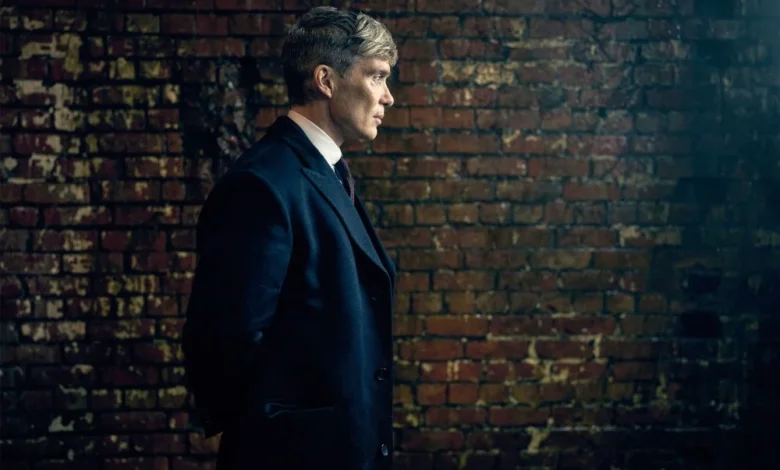
peaky blinders movie takes Tommy Shelby back to the big screen with a wartime setting and high-profile additions to the cast, and its makers are framing the release as both a cinematic event and a fan reunion. Cillian Murphy described the response as “wonderfully humbling, ” calling the film “a return on your investment” to viewers who have followed the character since the original series began.
Peaky Blinders Movie: Why the Return Matters
The film picks up in 1940, returning a character who first appeared on television 13 years earlier. That chronology matters: the movie arrives four years after the sixth and final TV series concluded, offering what its creative team presents as a standalone event intended for cinema viewing before streaming. The production schedule includes a two-week theatrical window prior to its release on Netflix on March 20 ET, a window the filmmakers say was chosen to give fans a chance to gather in person.
Background and Reception
The Immortal Man places an older, isolated Tommy Shelby at the center of a plot that drags him back into violent family and political conflict; the story threads include wartime sabotage, a treacherous fascist element and the emergence of a new generation within the gang. New cast members named for the film include Barry Keoghan, who plays Tommy’s son Duke; Rebecca Ferguson; and Tim Roth. Critics’ early responses have varied, with ratings ranging from two to four stars and repeated praise for Cillian Murphy’s performance while noting differing views on whether the film fully achieves the promise of its intergenerational clash.
Deep Analysis: Stakes, Casting and Tone
The narrative choice to set the story in 1940 reframes Tommy as a wartime figure confronting both external threats and longstanding personal demons. On screen he is depicted working on an autobiography as a form of therapy before events and his son pull him back into confrontation. That tonal mix — domestic introspection colliding with large-scale wartime stakes — is a deliberate pivot from the TV format, positioning the film to operate partly as a homefront resistance story while preserving the show’s established brutality and moral ambiguity.
Casting choices reinforce that dual aim. Barry Keoghan is introduced as a volatile new Peaky leader whose alliances create the central conflict; Rebecca Ferguson and Tim Roth are attached in roles that heighten the political stakes. The production’s craft elements underline a cinematic intent: the director of photography and production design give the film a tangible, grimy period texture that a feature run in cinemas seeks to showcase on a larger scale.
On the commercial side, the limited theatrical engagement before streaming creates a short, concentrated moment for fan gatherings. That strategy treats the film less as a long box-office play and more as an event that amplifies communal viewing — a clear acknowledgement of the franchise’s fan-driven momentum.
Expert Perspectives and Team Intent
Cillian Murphy, lead actor in Peaky Blinders: The Immortal Man, described the relationship with fans as “wonderfully humbling, ” saying their investment in the characters made the film feel like “a return on your investment. ” Steven Knight, creator of Peaky Blinders, said “I think we have got the cream, ” stressing that the production’s access to talent in acting and music owed much to the franchise’s cultural pull and that fans had provided the energy and confidence to proceed. Director Tom Harper and key creatives emphasized a cinematic approach: the film was shot and designed to convey tactile period detail and to make the wartime storyline resonate at scale.
Regional and Global Impact
The movie’s dual-release plan — a short theatrical engagement followed by streaming on March 20 ET — shapes its distribution impact. For regional audiences, the theatrical window creates concentrated local opportunities for community viewing and merchandising moments tied to fan culture. Globally, the streaming release promises broader accessibility, leveraging the franchise’s established international following and the new cast draws to attract viewers beyond the core fan base.
Early critical reaction suggests the film will be a talking point among viewers who are invested in the series’ mythology and among newcomers drawn by wartime stakes and star power. The combination of a seasoned lead performance, a controversial new-generation antagonist and a cinematic production makes the release a strategic test of how a beloved small-screen property translates back into theatres.
Looking forward, how the film balances fan service with broader narrative ambition — and whether its two-week theatrical moment amplifies or fragments the audience ahead of the Netflix debut — remains the central question for the franchise’s future and its legacy.
In the weeks ahead, will the film’s theatrical event spark renewed mass engagement with the franchise, or will its impact be reshaped primarily on the streaming platform after March 20 ET?