Nearly 800 people killed in Iran and footage of explosions over Tehran have reshaped the conflict’s geography — but the kurdish dimension of the fighting, spanning strikes in northern Iraq, targeted attacks on Iranian Kurdish groups and consultations over cross‑border operations, has been largely sidelined in public accounts of the war.
Kurdish theatres: What is not being told?
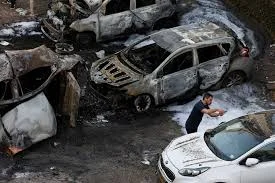
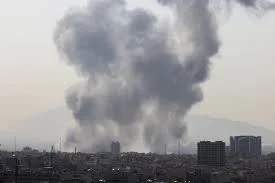
Verified facts: Video footage obtained shows explosions lighting up the night sky in the Iranian capital and footage of blasts north of Tehran near a highway. Multiple blasts occurred in the province of Sulaimaniyah in northern Iraq; local sources identified the headquarters of the Kurdistan Toilers Association, Komala, as a targeted site. There are contemporaneous reports that an operation described as targeting “anti‑Iran separatist forces” took place in the Kurdish region of neighbouring Iraq and that video clips captured explosions during that operation.
Analysis: Taken together, these facts indicate a broadened battlefield that crosses the Iran–Iraq border and directly implicates armed Kurdish formations and their bases. The pattern of strikes on Sulaimaniyah and footage of nighttime explosions in and around Tehran suggest reciprocal, cross‑border kinetic activity rather than isolated incidents. The absence of authoritative, consolidated accounts on the role and intentions of armed Kurdish groups leaves significant gaps in public understanding of how the fighting could escalate or be contained.
What do the verified facts show?
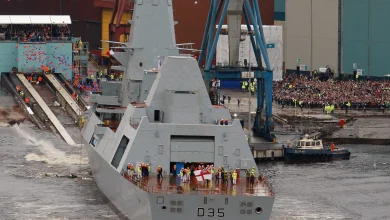
Verified facts: The conflict’s human toll in Iran is substantial, with nearly 800 dead reported inside Iran. Explosions were heard in Jerusalem and the Israeli Defense Forces reported two waves of missiles over Israeli airspace that prompted defensive operations. An Iranian navy ship sank off the coast of Sri Lanka and scores are missing. The US Department of War has identified two US service members believed to be casualties of an unmanned aircraft attack in Port Shuaiba, Kuwait: Chief Warrant Officer 3 Robert M. Marzan, 54, of Sacramento, California, assigned to the 103d Sustainment Command in Des Moines, Iowa; and Major Jeffrey R. O’Brien, 45, of Indianola, Iowa, assigned to the same unit. Separately, Israeli forces have conducted strikes that include operations against targets in Lebanon.
Analysis: These verified facts demonstrate a multi‑theatre conflict with maritime, air, and cross‑border ground implications. The sinking of a naval vessel off Sri Lanka and missile waves over Israel show an internationalized set of engagements. Within this broader clash, actions in Kurdish areas of northern Iraq and reprisals touching Iranian territory create an additional fault line. That fault line risks drawing third parties into kinetic interactions that are difficult to regulate or de‑escalate without clear lines of communication and public disclosure.
Who stands to benefit and who is accountable?
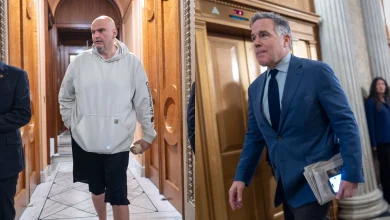
Verified facts: Political and military actors are publicly engaged and vocal: a US Marine veteran, Brian McGinnis, was removed from a congressional hearing after protesting a US military operation; Senator Tim Sheehy assisted in that ejection. Canada’s Prime Minister Mark Carney described the strikes as inconsistent with international law while stating his country will stand by allies and that “One can never categorically rule out participation, ” a position voiced in Canberra alongside Australian counterpart Anthony Albanese. Reports indicate Iranian Kurdish armed groups have been consulting with US interlocutors about whether and how to attack Iran’s security forces in western Iran.
Analysis: The consultations and the high‑level political statements suggest that diplomatic, military and partisan incentives are colliding. Armed Kurdish groups gain strategic leverage if cross‑border operations erode Iranian control in border regions; state actors may exploit that leverage or seek to contain it. Political leaders expressing conditional support or refusing to rule out participation complicate accountability: public claims about restraint clash with operational choices on the ground, including targeted strikes that have tangible civilian and military consequences.
Accountability call: The verified record assembled here — explosions captured on video, strikes against Komala’s headquarters in Sulaimaniyah, an operation targeting “anti‑Iran separatist forces” in Kurdish border areas, the sinking of an Iranian navy ship, and identified US military casualties — requires transparent, detailed releases from responsible governments and military commands. Independent, traceable documentation is essential to separate confirmed facts from conjecture, to clarify whether consultations with Kurdish armed groups crossed into direct operational support, and to assess legal and humanitarian obligations. Without that transparency, the kurdish front will remain an obscured accelerant in a widening regional war.