cuba was crippled by another 24-hour nationwide blackout when US President Donald Trump suggested the island could soon be the next focus of his administration, saying it was “just a question of time” before change arrived. The comment landed amid images of streets piled with rubbish, families cooking over firewood and generators failing as fuel supplies dwindled.
What did Trump say, and how did others react?
Standing with Lionel Messi and Luis Suarez and other players from Inter Miami, Trump spoke directly to Jorge Mas, the club’s owner and a Cuban-born magnate, saying the United States would soon be “celebrating what’s going on in Cuba” and that Cuban authorities “want to make a deal. So badly you have no idea. ” Mas replied, “It’s going to be an amazing day. ” In a separate televised conversation, Trump said, “Cuba is gonna fall pretty soon” and added that he was “going to put Marco [Rubio] over there and we’ll see how that works out. ” He tempered the timetable by noting that the present focus remained on Iran but signaled an intention to keep pressure on the island.
What is happening in cuba as the blackout and fuel shortages deepen?
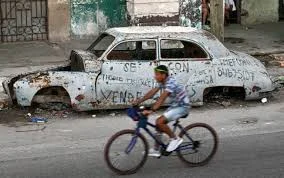
The blackout and fuel shortages are linked to a sudden loss of crude oil supply after the forced removal of Nicolas Maduro from power in Venezuela on 3 January. With Cuba deprived of its main source of crude, the island’s thermo-energy plants cannot generate enough electricity for domestic consumption without more oil. The lack of fuel affects not only private vehicles but also garbage trucks and electricity generators. Rubbish has piled high in many neighborhoods, leading some residents to burn refuse at night and fill the air with acrid smoke. Even in relatively affluent parts of the capital, people have resorted to cooking with firewood during extended outages. Few households have alternative power options beyond the island’s aging Soviet-era electrical grid.
Why does the United States see pressure as leverage, and what could that mean?
The Trump administration has signaled that squeezing Cuba could be a strategy to bring the island to the negotiating table. Officials intend to maintain pressure on energy partners so that alternative crude supplies do not fully replace those lost from Venezuela. Under this approach, limiting Cuba’s ability to secure new energy partners could weaken its bargaining position and hasten political change. The administration’s focus on regional shifts—beginning with the removal of the Venezuelan leader—frames Cuba’s crisis as part of a wider pattern in the hemisphere.
The human toll of that strategy is evident on the streets: fewer garbage trucks, mounting public health fears, dwindling power for hospitals and homes, and daily improvisations to meet basic needs. While the intended diplomatic objective is to increase pressure toward political change, the immediate reality for many residents is a deepening struggle to access fuel, power and sanitation.
There are no clear timelines in place for how or when the pressure will translate into negotiations or change. The reference to placing a senior US figure “over there” could signal an eventual face-to-face engagement, but such a trip was not confirmed. Meanwhile, Cuba’s inability to replace lost Venezuelan crude has left its energy infrastructure and public services exposed.
As the island contends with rolling blackouts and a widening fuel crisis, the interplay between US policy and on-the-ground hardship will shape outcomes in the coming weeks. The street scenes of burned refuse, dimmed neighborhoods and open-fire cooking underscore the stakes of those policy choices.
(Image caption: Street in cuba during a nationwide blackout, showing piled rubbish and residents cooking over open fires. )