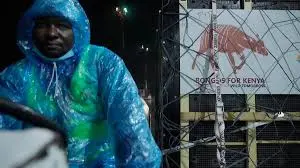
In wooden crates and under close watch at Nairobi’s main airport, four mountain bongos arrived in Kenya from a zoo in the Czech Republic, beginning a journey that conservation leaders say could help steady a species with fewer than 100 left in the wild. The zoo transfer is more than a transport story; it is a return to forests where the antelopes once belonged.
Why does this zoo return matter now?
The antelopes landed on Tuesday night and were met by Prime Cabinet Secretary Musalia Mudavadi and Tourism Minister Rebecca Miano. Miano called it a homecoming for the majestic bongos, while Kenya Wildlife Service described the arrival as a historic homecoming and a meaningful step toward recovery in the wild.
For Kenya, the moment is tied to a long decline. Bongos, known for their striking stripes, were pushed toward crisis by poaching and disease. The Kenyan government says fewer than 100 mountain bongos remain in the wild. Many were sent to Europe in the 1980s after a major rinderpest outbreak killed thousands. The four animals that returned are part of a wider effort to bring the species back from that edge.
What happens after the zoo arrival?
The four bongos will first go through quarantine and acclimatization before moving to the Mount Kenya Wildlife Conservancy, where 102 bongos are already housed for a period before release into the wild. The conservancy runs a National Recovery and Action Plan for the Mountain Bongo with the government, and the new arrivals are expected to help interbreed and strengthen the gene pool. A zoo in the Czech Republic said the animals would undergo acclimatisation and detailed monitoring before being gradually integrated into the conservancy’s breeding programme.
That step matters because conservation leaders say genetic diversity is central to survival. Kenyan-raised nature explorers and filmmakers Jahawi and Elke Bertolli said the new bongos will bring genetic variation that is critical for conservation, and that the species helps protect forests that are vital to Kenya’s water supply. Miano said bringing in genetically diverse bongos is a critical step to strengthen the species’ breeding resilience.
How is Kenya trying to rebuild the species?
The return is the third such transfer in recent years, with the last one in February 2025. Kenya Wildlife Service and conservation partners have been working to breed the animals and introduce them into the wild. The goal is ambitious: Kenya aims to raise the mountain bongo’s wild population to about 700 by 2050 through a national recovery plan led by the Kenya Wildlife Service.
Not every attempt has been simple. In 2022, the conservancy said some previously repatriated bongos had successfully been integrated into the wild and started breeding, while others died from tick-borne diseases. That mix of progress and loss has shaped the careful pace of each return, and it shows why the zoo-to-forest transition is treated as a slow biological test, not a ceremonial one.
What do officials and conservation partners see in the moment?
Kenya’s foreign and tourism ministers joined other officials at the airport welcome, signaling how closely the species’ fate is tied to national conservation policy. Kenya Wildlife Service director-general Erustus Kanga called the arrival a moment of hope, responsibility, and renewed commitment to securing the future of one of the world’s rarest large mammals.
Czech Republic Ambassador Nicol Adamcova said the relocation reflects a long-standing partnership between the Czech Republic and Kenya in conservation and a shared commitment to protecting endangered species. Mudavadi said the milestone shows what can be achieved when policy, science, and collaboration come together in pursuit of a shared conservation goal. He added that the government supports stronger conservation frameworks so Kenya’s biodiversity can continue to thrive.
For now, the crates are empty, the animals are settling in, and the work is only beginning. In the quiet hours after the airport lights fade, the zoo return becomes something larger: a fragile chance to let a forest species step back toward the wild and see whether Kenya’s recovery plan can hold.