Valve launches the Steam Controller before the Steam Machine, and that delay tells the real story

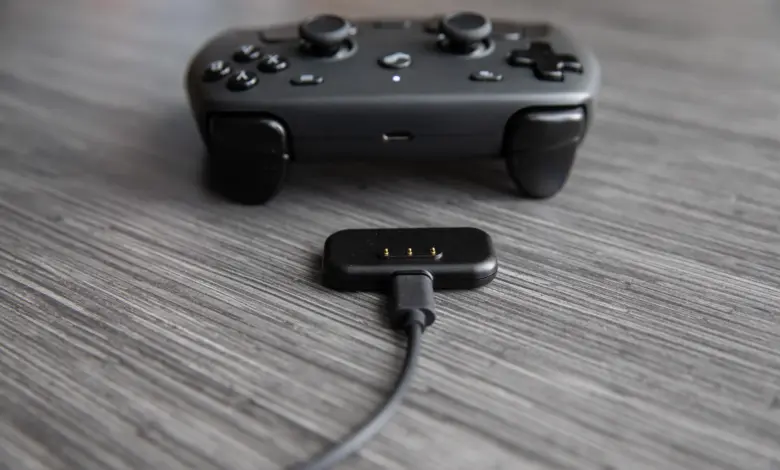
The Steam Controller is arriving with a clear message: Valve is ready to sell one part of its living-room vision, but not the whole package. The controller goes on sale May 4 at 1PM ET, while the Steam Machine remains in limbo and Valve is telling people to stay tuned. That split release matters because it turns a hardware launch into a test of patience.
What is Valve actually shipping now?
Verified fact: Valve introduced the Steam Machine and Steam Controller together last November as a new vision for living-room gaming, then memory shortages forced the company to delay the hardware and reset expectations. Now, the Steam Controller is the piece that is moving first. Valve has set the price at $99 USD, $149 CAD, $149 AUD, £85 in the UK, and €99 in the EU.
The company says the controller does not require a Steam Machine. It should work with any computer that runs Steam, and it can also function as a generic controller for phones. That detail is central to the launch: Valve is not asking buyers to wait for a full ecosystem before getting one part of it in hand. The Steam Controller is being positioned as a standalone device, not a locked accessory.
Why leave the Steam Machine out of the launch?
Verified fact: Valve’s Pierre-Loup Griffais said there are no updates on the Steam Machine living room console or the Steam Frame headset, adding that the company is hard at work and hopes to have news soon. Valve had previously committed to ship both devices this year. That leaves the controller launch carrying more weight than a typical accessory release, because it is the only concrete hardware now moving through the pipeline.
Informed analysis: The delay creates a contradiction. Valve is selling a product that belongs to a broader living-room setup before the setup itself is ready. That can be read two ways. On one hand, it reduces friction for people who already use Steam on a desktop, Steam Deck, or phone. On the other, it underscores that the full hardware story is still unfinished, even as consumer attention is pulled toward the controller first.
The review material supplied alongside the launch suggests the controller performs well in the settings where Valve wants it to matter most. One reviewer wrote that it feels close to the hoped-for idea: Steam Deck controls shrunk into a gamepad, while keeping controller profiles and muscle memory intact. But the same material also notes that the broader hardware delay leaves some questions unanswered, especially about how the controller will work with the Steam Machine’s dedicated controller antenna and in virtual reality with the Steam Frame.
Who benefits from a controller-first rollout?
Verified fact: Valve says the Steam Controller can be used with any computer that runs Steam, and it includes built-in infrared LEDs so a headset can track it in virtual reality. The review text also says the controller was tested with Steam Decks and gaming desktops over two weeks.
This makes the controller useful even before the rest of Valve’s hardware arrives. People who already have a Steam library, a Steam Deck, or a gaming desktop can buy in now without waiting for a living-room console. Valve also avoids tying early demand to a machine whose timeline is still undefined. In practical terms, that reduces launch risk while keeping the brand visible.
Verified fact: Valve’s Griffais also said the company is “working hard” to address the availability of Steam Deck, but that it is challenging because “the world is a different place than it was last year. ” That remark places the controller launch inside a wider hardware environment shaped by delays and supply pressure, not just product planning.
What does this sequence reveal about Valve’s strategy?
Informed analysis: The sequence suggests Valve is trying to preserve momentum without overpromising on timing. Releasing the Steam Controller first lets the company show progress, give users something tangible, and keep interest alive around the Steam Machine and Steam Frame. But it also reveals that the bigger promise remains incomplete. The controller is ready enough to sell; the living-room system around it is not ready enough to discuss in detail.
That gap is important because Valve’s original pitch was not just a controller, but a new living-room gaming model. A partial rollout changes the conversation from transformation to transition. Instead of unveiling a finished platform, Valve is asking the market to accept a staged delivery. For consumers, that means the value of the launch depends less on the promise of tomorrow and more on whether the controller itself can stand on its own today.
Accountability conclusion: The next step is simple: Valve should give clear, specific updates on the Steam Machine and Steam Frame, and explain how the controller fits into the broader plan beyond a standalone sale. Until then, the Steam Controller is both a product launch and a placeholder, and the real measure of Valve’s credibility will be whether the company turns this delay into a transparent roadmap rather than a moving target.
For now, the Steam Controller is the visible part of the story. The unresolved part is what Valve still is not ready to show about the Steam Machine.