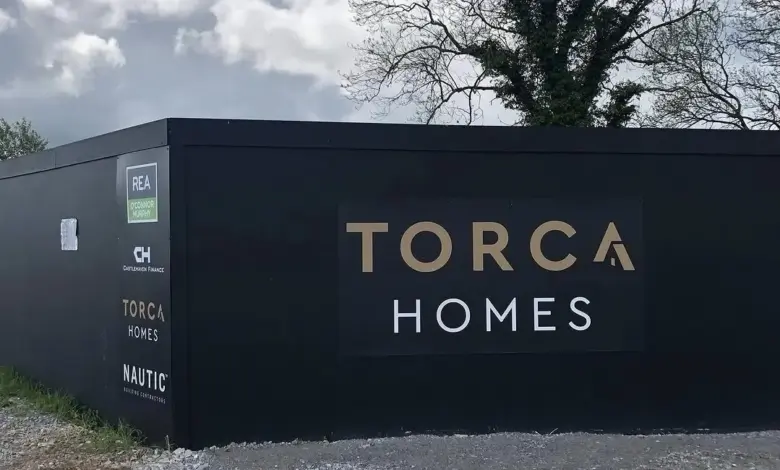
Torca Developments Limited is now at the center of a wider insolvency process that has pulled 13 construction companies in the Torca Homes group into provisional liquidation. The High Court appointment marks a clear turning point: what had been a series of financial pressures has now become a formal restructuring and asset-protection process, with the matter set to return in June.
What Happens When a Group Runs Out of Room to Maneuver?
The court heard that 20 individual companies in the Torca Homes group are insolvent. Thirteen applied for the appointment of provisional liquidators, while the remaining seven are proposed to go into voluntary liquidation. Nicholas O’Dwyer and John Boland of Grant Thornton were appointed provisional liquidators for the 13 companies, following an application made on Monday through barrister Ross Gorman, instructed by Graham Kenny Solicitors.
The companies involved include Cavernbell Ltd, Bloom Capital Ltd, Torca Developments Ltd, Torca Construction Ltd, Torbuild Ltd, Hallglen Ltd, Craterside Ltd, Coastdawn Ltd, Hailview Ltd, Kentdale Ltd, Rothmount Ltd, Teabrook Ltd and Wildeborn Ltd. The court approved the appointments and indicated the matter could return in June.
What If the Financial Pressures Had Not Built Over Time?
The petitions describe a group founded in 2012 as the property market began to show signs of recovery. The original strategy was to act as developers and engage main contractors and other professionals as needed. The companies completed a number of developments successfully, then acquired various sites between 2019 and 2021 using finance through special-purpose vehicles and entered agreements with the social housing body Respond.
But the structure also brought obligations. Each development agreement required a 10 per cent performance bond, and as the group expanded, the bonding requirement increased until it reached €15 million. The pandemic then added strain, including the need to sell houses at break-even value to generate funds for debts. One main contractor, Blacklough Construction, went into liquidation in 2023, and two other contractors also collapsed around the same time.
What If Defects and Costs Remove the Margin for Recovery?
Even after negotiating some price uplifts with Respond, the group had virtually no contingency for completion works. Once defects were identified in ongoing projects, it became clear that nearly all projects would be loss-making. A particularly difficult issue arose after a construction in Carrickmines was found to have been built in the wrong location. The architect involved was sued, and a settlement was reached, but it did not fully compensate the company concerned because of legal costs and retention fees.
In response to the pressure, the group entered a phased payment agreement with Revenue and reduced costs, including making employees redundant. On advice from Grant Thornton, it was ultimately decided that placing the companies in liquidation was the only way to preserve value for creditors and secure valuable assets on various sites.
| Area | Current position |
|---|---|
| Court action | 13 companies placed into provisional liquidation |
| Group status | 20 companies insolvent |
| Next step | Matter may return in June |
| Key concern | Asset preservation for creditors |
What Does This Mean for Torca Developments Limited and the Wider Market?
For creditors, the immediate priority is asset protection and orderly value recovery. For the broader group, the outcome shows how a combination of financing structures, performance bonds, contractor failures, and project defects can narrow the path to recovery even after earlier success. For housing bodies and site stakeholders tied into the group’s developments, the next phase will likely focus on administration, creditor value, and the handling of remaining assets rather than expansion.
The key point is that Torca Developments Limited is no longer operating in a normal development cycle; it is moving through a formal insolvency process shaped by accumulated losses and limited contingency. The June return will matter because it may clarify how the liquidations proceed and how the remaining seven companies are handled. For readers watching this space, the lesson is straightforward: when a development group grows through borrowed funding, performance guarantees, and multiple site structures, its resilience depends on how much shock it can absorb when costs, defects, and contractor failures arrive at once. Torca Developments Limited