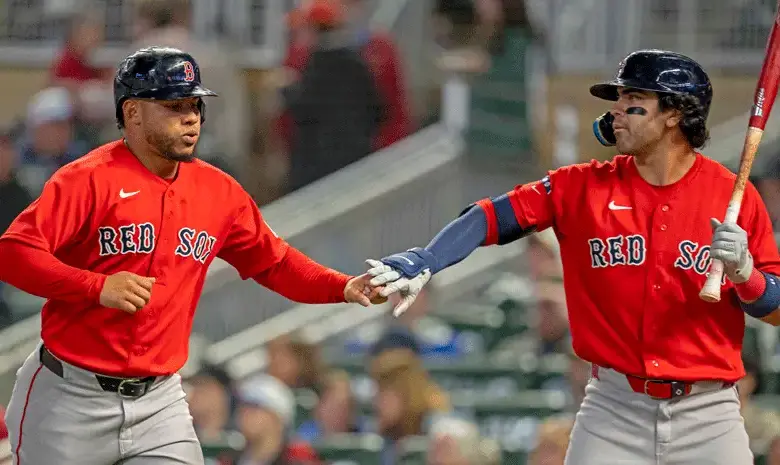
The Yankees vs red sox rivalry returns to Fenway Park with both clubs carrying different kinds of urgency into the first pitch at 6: 45 PM Eastern Time on April 21, 2026. New York arrives at 13-9 after a narrow 5-4 loss to the Tampa Bay Rays, while Boston comes in at 9-13 after an 8-6 win over the Detroit Tigers.
Why does Yankees Vs Red Sox feel like a coin flip?
The market paints this Yankees Vs Red Sox meeting as unusually close. On Kalshi prediction markets, Boston holds a 51% implied probability to win, while New York sits at 49%. That gap is small enough to suggest a game built on one inning, one mistake, or one timely swing rather than a comfortable favorite.
The numbers behind the matchup help explain the balance. Through 22 games, the Yankees are averaging 5. 0 runs and 1. 45 home runs per game, while the Red Sox are scoring 4. 05 runs and hitting 0. 59 home runs per contest. Boston, however, has a slight edge in contact, averaging 7. 8 hits per game compared with 7. 0 for New York.
What stands out about the pitching matchup?
This is where the tension sharpens. Boston starter Sonny Gray was placed on the 15-day injured list with a leg injury after starting his previous game, so Connelly Early gets the assignment instead. He will face Luis Gil, and the context around both pitchers shapes much of the night’s conversation.
New York’s staff has been stronger on the season, allowing 3. 7 runs per game while striking out 9. 2 batters per contest. Boston’s pitching has allowed 4. 6 runs per game. Defensively, the teams are close: the Yankees average 0. 55 errors per game and the Red Sox 0. 64.
That makes the early innings especially important. If Gil settles in, New York has the statistical edge on the mound. If Early can keep traffic off the bases, Boston’s lighter hit total may still be enough to create pressure at home.
Which hitters could swing Yankees Vs Red Sox?
The opener and the closing stages both point toward key bats. Aaron Judge enters after launching a home run in New York’s loss to Tampa Bay, a reminder that the Yankees can still score quickly even in defeat. On the Boston side, the club is coming off an 8-6 victory powered by a 12-hit offensive showing, a sign that the lineup arrives with some momentum.
That contrast matters because the market expects a tight contest, not a clean separation. New York’s power numbers are stronger, but Boston’s ability to put the ball in play gives the home team a different path. In a rivalry game, those differences can matter just as much as raw records.
What are the prediction markets signaling?
The clearest signal is uncertainty. The pricing suggests no runaway favorite, and the narrow split reflects a game that could be decided late. The projected balance is also reinforced by the team profiles: New York has the stronger run production and better pitching numbers, while Boston brings a slight edge in hitting and the comfort of home.
That is why the conversation around Yankees vs red sox centers less on drama and more on execution. One side needs Gil to avoid damage. The other needs Early to hold firm without the benefit of Gray. Both clubs have reasons to believe the margin is there if they can find the right inning.
What should fans watch when the game begins?
Fans should watch the first signs of command from both starters, the way Judge handles early chances, and whether Boston can extend the kind of contact it showed in its last win. The game begins at Fenway Park in Boston, and the surrounding numbers point to a contest that may stay tight all the way through.
For a rivalry built on history, the latest Yankees vs red sox chapter is defined by a quieter idea: neither team can afford many missed opportunities. At Fenway, that kind of pressure can make even a single at-bat feel larger than the standings that brought both clubs there.