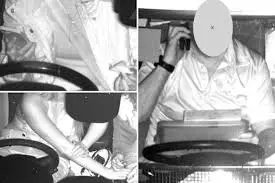
The fine dispute in Western Australia has become bigger than a ticketing issue. In the space of months, thousands of motorists have challenged AI-detected seatbelt penalties, and 2, 043 infringements have now been withdrawn. The scale matters because it points to a system under pressure: 53, 890 infringements were issued between October 8 and April 17, averaging close to 300 a day, while more than $29 million in fines was generated. For drivers, the concern is not only the money. It is whether the review process is keeping pace with the technology.
Why the Fine review matters now
The most striking figure is the success rate. Of 3, 381 review requests lodged, about 60 per cent resulted in penalties being overturned. That is a significant share for any enforcement program, and it has already removed more than $1 million in fines. The issue escalated in late February, when the Road Safety Commission launched a formal review after it emerged the cameras were issuing more than $1 million in fines each week. That detail changed the debate from isolated complaints to a broader question about how the system is working in practice.
The WA Department of Transport and Major Infrastructure has said every infringement image is reviewed before a penalty is issued, and every request for review is examined as well. The department also said outcomes are decided case by case, with individual circumstances and evidence taken into account. Still, the numbers show that a large share of contested cases are not surviving scrutiny. In a traffic enforcement system built around speed and scale, that becomes a central test of trust.
What the numbers say about the AI seatbelt crackdown
The headline figures suggest a campaign that has moved quickly and broadly. More than 53, 000 infringements in just over six months is a heavy volume, and the average of close to 300 a day shows how automated enforcement can reshape road policing almost immediately. But the review data suggests that volume alone does not guarantee accuracy in every case. Some penalties were cancelled where multiple offences were recorded within a short timeframe, leaving drivers with no opportunity to modify their behaviour. That is a narrow but important distinction: the problem is not only whether a driver broke a rule, but whether the penalty was applied fairly in the context of what happened on the road.
That tension helps explain why the fine controversy has become so visible. A significant portion of infringements involved passengers, particularly children, wearing seatbelts incorrectly. Authorities say drivers remain responsible for ensuring all passengers, including children, are properly restrained. But the context also matters: parents have raised concerns that they could not safely stop children’s actions while driving. The enforcement model may be aimed at safety, yet the review outcomes indicate that some cases do not fit neatly into a one-size-fits-all penalty structure.
Expert views on enforcement, evidence and fairness
Ross Taylor, who founded an online advocacy group, has argued that the whole AI campaign is a fiasco. He said the cameras should be catching people using a phone while driving and those not wearing a lap belt, adding that this group accounts for only 10 to 15 per cent of all seatbelt fines. That criticism does not erase the road safety case for seatbelt enforcement, but it does sharpen the fairness question: if the technology is sweeping too broadly, the burden shifts to the review process to correct the excess.
The department’s position is that each image and each review request is assessed by an officer, and that the process accounts for evidence provided. In practice, the current Fine dispute suggests that many motorists are not finding the first penalty final. The fact that some drivers are now being advised to allow up to 20 business days for a response, with delays blamed on an increase in workload, underlines how quickly the review system has been stretched.
Regional impact and the wider road safety message
The consequences extend beyond Western Australia’s fines ledger. The broader debate is now about how governments balance automation, deterrence and due process. When enforcement is digital and fast, mistakes can scale just as quickly as penalties do. That is why the fine story is resonating well beyond the drivers directly affected: it raises a practical question about whether high-volume AI enforcement can be both efficient and precise at the same time.
Authorities still say the cameras are improving safety outcomes, and they maintain that drivers must ensure every passenger is properly restrained. But the review figures show the public will judge the program on more than its intent. They will judge it on overturned penalties, turnaround times and whether the system can distinguish between clear breaches and cases that need a closer look. In the end, the key issue is not only how many fines are issued, but how many do not survive review — and what that says about the future of the Fine crackdown.