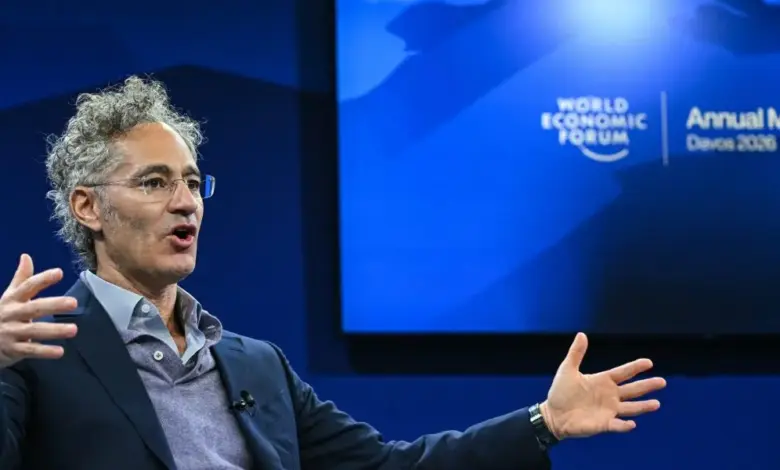
alex karp put the labor market on edge with a blunt warning about how AI could reshape work. At the World Economic Forum’s annual meeting in Davos, Switzerland, in January, the Palantir cofounder and CEO said AI “will destroy” humanities jobs, while arguing that people with vocational training may still find “more than enough jobs. ”
He tied that view to his own background, saying that someone who studied philosophy at an elite school may still need another skill to stay marketable. Karp’s comments came in conversation with BlackRock CEO Larry Fink and were later reinforced in other public remarks this year.
Alex Karp draws a hard line between degrees and skills
Karp’s central message is simple: not every education path will carry the same weight in the AI era. He said that if someone attended an elite school and studied philosophy, “hopefully, you have some other skill, that one is going to be hard to market. ”
He also linked the point to his own career, recalling that he once wondered who would give him his first job. Karp attended Haverford College, earned a JD from Stanford Law School, and received a PhD in philosophy from Goethe University in Germany.
The comments fit a broader pattern. In a November interview, Karp said that a person with generalized knowledge but no specific skill set is in a difficult position. On March 12, he added that there are “basically two ways” to know you have a future: vocational training or being neurodivergent. In that same framing, alex karp presented AI as a force that would reward practical preparation over broad academic prestige.
What Alex Karp said about who is best positioned
Karp said AI will hit humanities-trained workers hard, and he extended that warning to the political and social consequences of the shift. He said the technology disrupts humanities trained, largely Democratic voters and increases the economic power of vocationally trained, working-class, often male voters.
That view is not universally shared. BlackRock COO Robert Goldstein said the company was recruiting graduates who studied fields that have nothing to do with finance or technology. McKinsey global managing partner Bob Sternfels said the firm is looking more at liberal arts majors as potential sources of creativity. The contrast shows a real split in how major leaders think about AI, talent, and the value of nontechnical education.
For his part, alex karp has long pushed vocational training over traditional degrees. Palantir launched a Meritocracy Fellowship last year for high school students, offering a paid internship and a chance to interview for a full-time role after four months.
Why the warning matters now
Karp’s remarks arrive as employers debate which skills AI can replace and which ones still require human judgment, creativity, or hands-on work. The Davos comments sharpened that debate by putting elite academic training and vocational preparation in direct competition.
The larger question now is whether companies will follow Karp’s model or keep widening their search for people with mixed backgrounds and nontraditional strengths. For now, alex karp is making one point unmistakable: in his view, AI will reward those with specific training and punish those who depend on prestige alone.