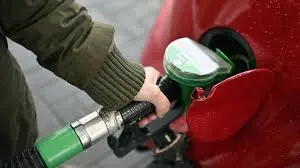
The impact of carburant is hitting driving schools hard in Quebec, with operators saying the squeeze is becoming impossible to manage. On April 11, 2026 ET, school owners and industry leaders pointed to rising fuel costs, fixed tuition caps, and broader operating expenses as the pressure builds. The warning is simple: if costs keep rising, some schools may not make it.
Fuel costs are rising faster than school prices
Pascal Harvey, owner of the Pontiac driving schools in Gatineau, said that for a school with 10 vehicles, every 20-cent increase per liter adds about $50 a day in extra costs. He said the math no longer works and warned that some schools risk closing. The issue is sharper because driving schools cannot freely pass along higher carburant costs the way airlines or trucking firms often can.
In Quebec, the price of a standard class 5 driving course cannot exceed $1, 130 before tax. That ceiling is adjusted once a year for inflation, but Harvey said the increase does not keep pace with the real costs schools face, including insurance premiums and repair bills. He said the sector is “heading toward a wall. ”
Industry leaders warn of closures
Karen Ferrazanno, president of the Association des écoles de conduite du Québec, said the situation is more serious than during the previous fuel-price peak in 2022. She said insurance, rent, and salaries are now all higher than they were then, making the pressure much harder to absorb. Her concern is that schools could be “strangled” by operating expenses.
Ferrazanno said that if schools close, it would become harder to teach road safety properly and serve people across Quebec. She said the association wants Quebec to remove the cap on automobile driving lessons, arguing that competition would be enough to prevent unreasonable price increases. In her view, schools are not trying to overcharge; they are trying to survive.
Carburant and the case against the price cap
François Vincent, vice-president for Quebec at the Canadian Federation of Independent Business, said regulating lesson prices is Quebec’s way of trying to solve a problem by creating barriers rather than trusting businesses. He said the result could be fewer driving schools, which would ultimately hurt consumers.
The class 5 cap was designed to protect learner drivers, especially outside major urban centers where a car is often a necessary expense. But the current debate shows how a rule meant to shield consumers can also leave providers exposed when carburant and other costs rise together.
What happens next
For now, the pressure is concentrated on schools that rely heavily on vehicle use and operate on thin margins. The key question is whether Quebec will keep the current pricing structure or reconsider the cap as schools push for relief. If costs remain elevated, the strain on carburant-sensitive businesses could deepen, and the warnings from the sector may become harder to ignore.