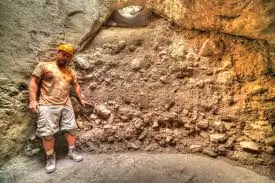
Archaeologists at Tel Azekah have uncovered a mass grave inside a repurposed water cistern that held the remains of up to 89 individuals, almost all infants and young children. The burial dates to about 2, 500 years ago, during the early Persian period, and was found at the ancient site halfway between Tel Aviv and Jerusalem. The discovery is forcing researchers to rethink how young children were treated in death in this period, and why a mass grave like this was used at all.
What the excavation found
The remains were excavated by the Lautenschläger Azekah Expedition between 2012 and 2014, and the findings have now been detailed in a study published in the journal Palestine Exploration Quarterly. Archaeologists identified at least 68 individuals, with the total possibly reaching 89, and said the bones were found deep within the cistern in largely original positions. That pattern points to a primary burial site, not a place where bones were later moved from elsewhere.
Osteological analysis showed that about 90 percent of the individuals were under five years old, while more than 70 percent were under two. Only a few teenagers or adults were identified. The research team found no evidence of trauma, burning, or cuts on the bones, ruling out violence, ritual sacrifice, infanticide, or a sudden catastrophe such as plague, famine, or massacre. Instead, the age spread and the layers in the pit suggest the site was used over several decades.
Mass grave and burial practice
The cistern had originally been carved by the Canaanites to store water and remained in use for centuries. It went out of use as a reservoir around the 6th century BC, after the Babylonian conquest of Judah. When Azekah later came under Persian rule in the 5th century BC, the dry cistern took on a new function as a burial place. The finding is especially important because young children are often missing from burial sites of this era, leaving an archaeological gap that this mass grave may help explain.
The research team led by Oded Lipschits of Tel Aviv University suggests the cistern was used for infants who had not yet been weaned. In that view, the children may not have been considered to have reached full social status, which shaped how they were buried. The study says the practice may have been accepted during that period for young children and infants still breastfeeding, many of whom did not survive early life.
Why this site stands out
Tel Azekah is also known for its biblical association with the battle between David and Goliath in the nearby Elah Valley. The site itself was first settled in the Early Bronze Age more than 4, 000 years ago and later became an important fortified city in the Kingdom of Judah. That long history makes the mass grave especially striking, because the same place that once stored water later held the remains of very young dead.
The study frames the find as more than a rare burial. It offers a direct look at infant mortality, personhood, and ancient burial customs in a period when the social meaning of a child’s death may have changed depending on age and stage of development.
What comes next
Researchers now have a clearer, if still unsettling, case study for a problem that has long puzzled archaeology: why infants and very young children are so rarely found in burial contexts from this time. The new evidence from Tel Azekah suggests that some were placed in communal or designated spaces rather than in separate individual graves. As the mass grave continues to be studied, it may refine how scholars interpret burial practice in the early Persian period and the treatment of the youngest members of ancient society.