tii has returned to the center of Galway’s transport debate after planning approval was granted for the N6 Galway ring road, a project that has sat in the city’s imagination for decades. On one side are commuters and families living with traffic pressure; on the other are campaigners warning that the road could deepen car dependence and make climate goals harder to reach.
What happened to the N6 Galway ring road?
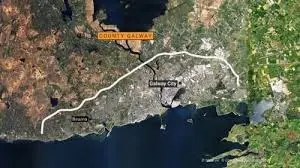
Planning approval has been granted for the N6 Galway ring road, known as N6 GCRR, after several decades of false starts. Galway County Council, Galway City Council and Transport Infrastructure Ireland welcomed the decision of An Coimisiún Pleanála and said they would now move to the next phase, including detailed design, contract documentation and procurement.
The councils and tii said the prolonged planning process has been difficult for home and property owners affected by the proposed route. They also described the project as a core part of a wider transport solution for Galway City and County, alongside BusConnects, rail enhancements, active travel and other major transport initiatives under the Galway Transport Strategy.
Why does the decision matter for Galway families?
For many people in Galway, the debate is not abstract. The city has had severe traffic problems for more than 30 years, and multiple ring road proposals have been advanced over that time. The latest approval gives fresh momentum to a project that has been delayed by legal and planning setbacks, including High Court challenges to an earlier grant of permission for the 18km road.
The road was estimated in 2016 to cost €600 million. That figure now sits beside a wider transport picture that includes the BusConnects Galway project, which promises a complete redesign of the bus network, and the proposed “Gluas, ” or Galway Luas, a light rail project projected to remove some 13 million car journeys annually from Galway city. Its main backers say the light rail proposal cannot advance until the Galway ring road is built. A 2024 study commissioned by the National Transport Authority placed the Gluas at between €1. 23 billion and €1. 34 billion in 2023 prices, while warning that costs will rise with future construction price inflation.
What are the environmental concerns around tii and the road?
Environmental campaigners have not ruled out appealing the decision. Friends of the Irish Environment, which successfully challenged a previous application for the ring road, said the latest plan failed to comply with statutory obligations under Ireland’s climate legislation. The organisation argued that the N6 GCRR facilitates continued growth in private car use and urban sprawl, locking in long-term carbon emissions.
The group also said it was concerned that its ability to object to the road in the courts on climate grounds could be limited by the new Critical Infrastructure Bill. Minister for Public Expenditure Jack Chambers published the Bill on Wednesday with the expectation that it would become law by July. Under its terms, legal challenges to critical infrastructure projects on climate grounds will no longer be possible.
What happens next for Galway’s transport future?
The next phase now turns from decision to delivery. Detailed design, contract preparation and procurement lie ahead, but the project still sits within a broader political and legal argument about how Galway should grow. In one direction is the promise of reduced congestion and a more connected transport network. In the other is the fear that a major road could make long-term climate choices harder.
That tension is visible at the edge of the city’s planning maps and in the everyday lives of people who have waited years for movement. For them, tii is no longer just an acronym in a transport plan; it is a marker of whether Galway’s long delay gives way to construction, or to another chapter of challenge and uncertainty.