In the Middle East, a day of airstrikes and diplomacy unfolded on the same tight timeline. Israeli strikes on Wednesday killed at least 203 people and wounded more than 1, 000 in Lebanon, while Israel’s prime minister later said he had authorized direct talks with Lebanon “as soon as possible. ”
The contrast was stark: explosions in densely packed neighborhoods during rush hour, then language of negotiations aimed at disarming Hezbollah. For families in Lebanon, the shift offered no immediate relief, but it showed how quickly this conflict can move from battlefield pressure to political messaging.
What happened in Lebanon on Wednesday?
Lebanon’s health ministry said the strikes came without warning. Israel’s military said it targeted Hezbollah sites, but several strikes hit commercial and residential areas that were crowded at the time. The result was widespread civilian casualties and the deadliest day of Israeli strikes in Lebanon since the war began.
That toll matters beyond the numbers. In a single day, the violence touched homes, shops and roads where people were simply trying to get through ordinary hours. In the Middle East, those moments often become turning points, because they change both the human cost and the diplomatic pressure.
Why does Netanyahu’s message on talks matter?
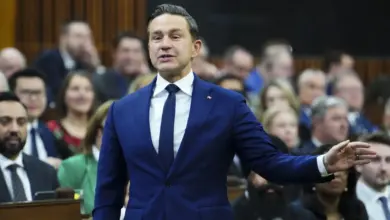
On Thursday, Netanyahu said there is no ceasefire in Lebanon and that Israel will keep striking Iran-backed Hezbollah militants there until security is restored in northern Israel. He also said he authorized direct negotiations with Lebanon “as soon as possible” aimed at disarming Hezbollah.
That two-track message — continued strikes paired with a call for talks — reflects the narrow space available to leaders trying to show strength while keeping diplomacy alive. In the Middle East, such statements can shape expectations as much as they shape policy. They signal that the war is not only being fought with weapons, but also through the language of timing, conditions and leverage.
How are Washington and Tehran shaping the moment?
The American president said Netanyahu agreed to dial back Israel’s military campaign in Lebanon ahead of peace talks in Pakistan. He said he had spoken with Netanyahu and that the Israeli leader would “low-key it, ” adding that the situation should be “a little more low-key. ”
He also said he was “very optimistic” about the prospects of reaching a peace deal during talks in Pakistan. At the same time, he described Iranian leaders as more open in private than in public, saying they “talk much differently when you’re at a meeting than they do to the press. ” His comments point to a wider diplomatic push that runs alongside the fighting, even as the gap between public posture and private negotiation remains wide.
For people watching the conflict from inside the region, that gap can feel both familiar and frustrating. Ceasefire language can rise quickly, but the reality on the ground changes only when violence stops and guarantees hold.
What does the human toll reveal about the wider Middle East crisis?
The scale of the casualties in Lebanon underscores how fragile the region remains when military operations and diplomacy overlap. A strike campaign that hits crowded civilian areas creates immediate grief and pressure, while political leaders simultaneously try to shape the next phase of the conflict.
There is also a second layer to the moment: claims of victory and resilience from Iranian and Israeli leaders are being delivered while civilians absorb the consequences. Ayatollah Mojtaba Khamenei said the Iranian people are the “definitive victors” in the conflict, while Netanyahu framed the objective around security in northern Israel and the disarmament of Hezbollah. Those positions leave little room for compromise in public, even as private talks may be opening.
In this Middle East moment, the central question is whether negotiations can move fast enough to matter before the next round of strikes. For the families in Lebanon who counted the dead and wounded on Wednesday, that question is not abstract. It is the difference between another night of fear and a return to something closer to ordinary life.
Image alt text: Middle East tensions sharpen as Netanyahu authorizes direct talks with Lebanon after strikes in Lebanon.