Pakistan has become an unexpected bridge in a crisis that is widening by the hour, and pakistan now sits at the center of a quiet diplomatic effort involving US Vice President JD Vance. The timing matters: Washington is pairing public pressure with backchannel contact, while Tehran is still weighing whether indirect engagement can avert a deeper confrontation. What makes this phase unusual is not only the speed of the mediation, but the way Vance has moved from the margins to the middle of a high-stakes attempt to lower the temperature.
Why Pakistan became the channel
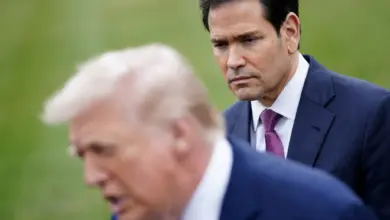
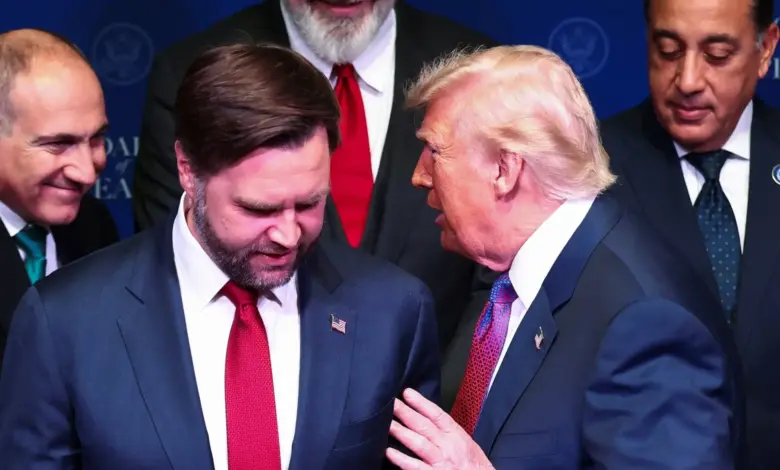
For days, the diplomatic push has been unfolding away from the cameras, even as threats have intensified in public. President Donald Trump said on Monday that “we have an active, willing participant on the other side, ” calling the proposal under discussion “a significant step” before adding that it was “not good enough. ” He also said the effort was being handled “along with Marco, JD, ” identifying Vance and Secretary of State Marco Rubio among the administration’s lead negotiators.
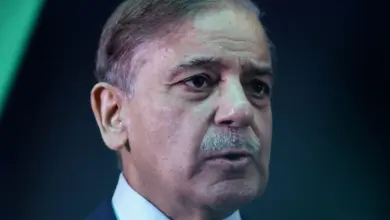
The role of pakistan is significant because the mediation has been described as a coordinated regional effort rather than a single-country initiative. Officials aware of the talks said the country’s army chief, Field Marshal Asim Munir, spoke with Vance, special envoy Steve Witkoff and Iranian Foreign Minister Abbas Araghchi. That call followed a broader pattern of engagement that began with a March 19 consultation in Riyadh and a March 29 meeting in Islamabad with foreign ministers from Turkiye, Saudi Arabia and Egypt.
The pressure behind the talks
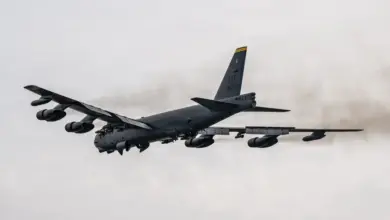
The diplomatic track is being tested by escalating military and rhetorical pressure. Trump threatened over the weekend to bomb Iran’s power and energy facilities if Tehran did not reopen the Strait of Hormuz by early Wednesday Iran time. He then amplified that warning on Tuesday with a post saying, “A whole civilisation will die tonight, never to be brought back again. I don’t want that to happen, but it probably will. ”
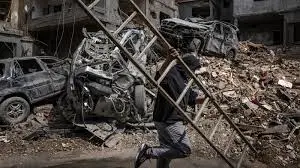
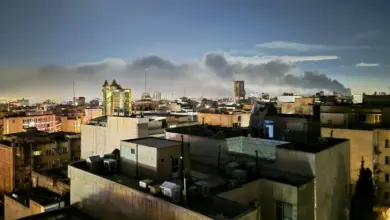
Iran’s Islamic Revolutionary Guard Corps responded by saying all restraints against targets would be lifted if Trump escalated militarily. The same day, Iran’s Kharg island, its main export hub, was bombed, and Iran struck the Jubail petrochemical facility in Saudi Arabia. Against that backdrop, the mediation effort has become a race against escalation, with pakistan trying to hold open a path that both sides may still be willing to explore indirectly.
What JD Vance’s role signals
Vance’s emergence matters because he had largely kept a studied distance from Operation Epic Fury until Trump publicly named him among the lead negotiators. That matters for two reasons. First, it suggests the vice president is being used as a credible political channel inside a team that has struggled to project a coherent diplomatic strategy. Second, it raises the stakes of whether his involvement can help turn indirect contact into a workable ceasefire framework.
Sources close to the mediation said attempts were still underway to secure a Pakistani proposal for a two-stage halt to the war. That detail is important because it points to a phased approach rather than a single breakthrough. In other words, the talks are not yet about a final settlement. They are about preventing the situation from moving into a wider and potentially irreversible confrontation.
Regional ripple effects and the road ahead
The wider regional impact is already visible. The Strait of Hormuz carries 20 percent of the world’s oil and gas supplies in peacetime, making any threat to reopen or close it a global issue rather than a bilateral one. That is why the Pakistan channel has attracted so much attention: even a tentative pause could affect shipping, energy markets and the posture of neighboring states.
At the same time, the mediation is exposed to immediate risks. The rhetoric from Washington and Tehran is growing more extreme, and the military dimension is already active. That combination makes the current effort fragile, but not meaningless. If pakistan can keep both sides in contact long enough for the two-stage proposal to survive, the talks could still change the trajectory of the crisis. If not, the question becomes how much room remains before words harden into a broader war?